Best Rural Life Photography
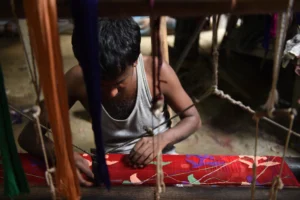
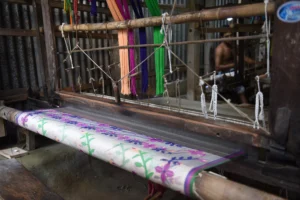
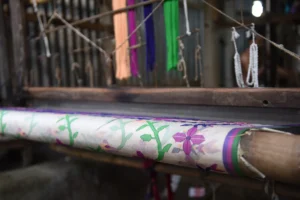
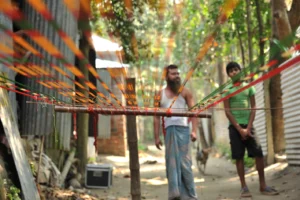
Tangail Handloom Industry
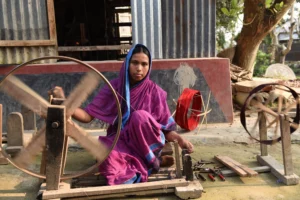
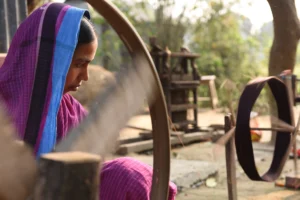
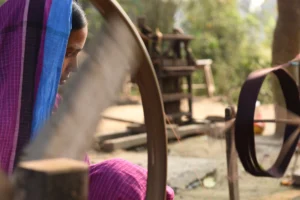
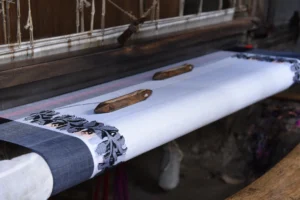
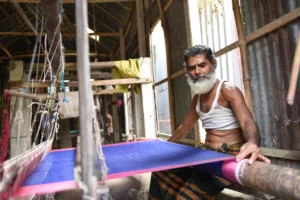
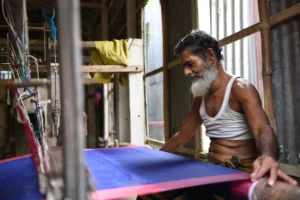
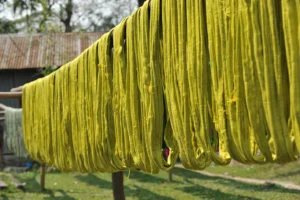
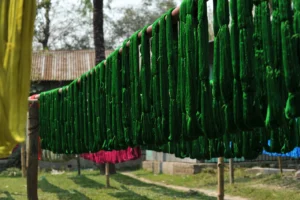
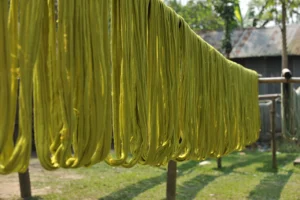
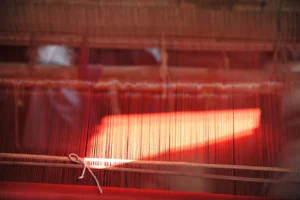
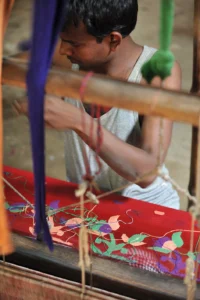
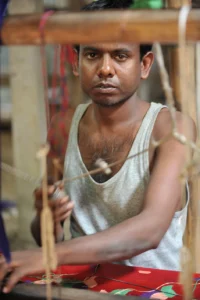
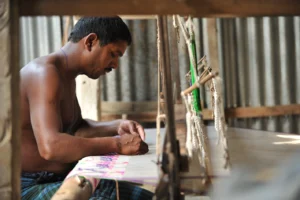
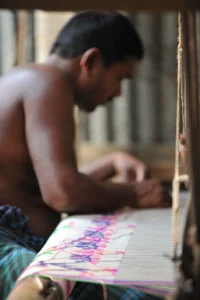
The hand‑loom industry in Tangail, Bangladesh, is famous for its exquisite cotton and silk sarees. Skilled weavers from the Basak community use traditional looms to create fine, lightweight fabrics with intricate borders. The craft dates back to the late 19th century, when muslin weavers settled in the region and began this hand‑woven tradition. Today, Tangail sarees continue to represent cultural heritage, with weavers working to keep the tradition alive amidst modern challenges.
Bijoypur Pottery Heritage
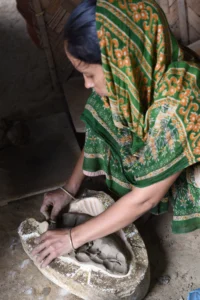
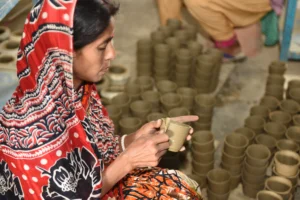
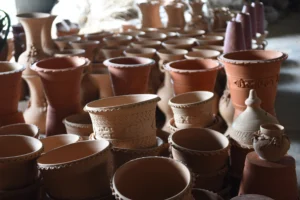
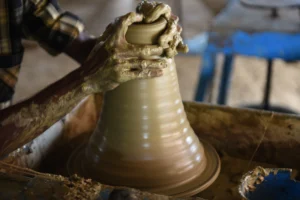
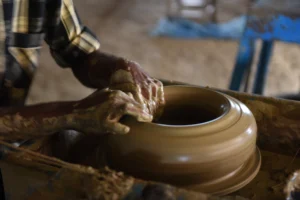
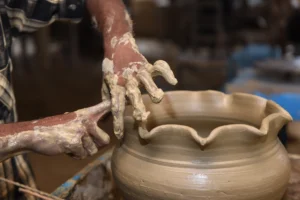
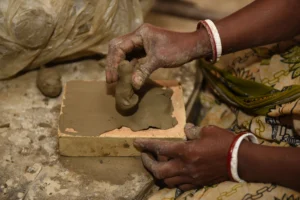
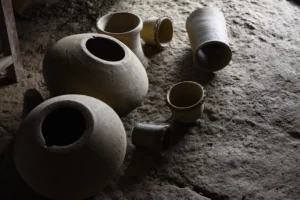
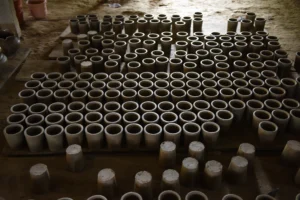
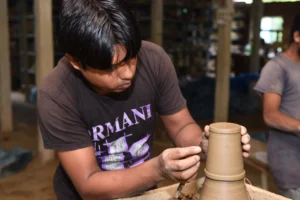
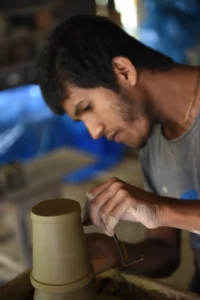
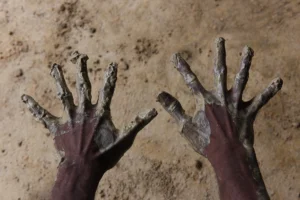
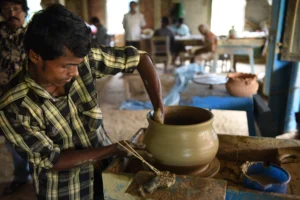
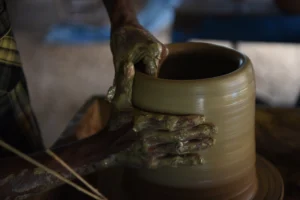
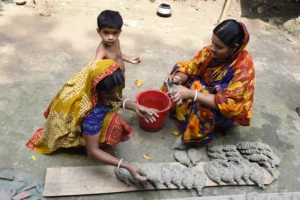
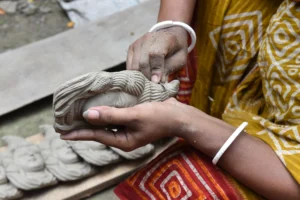
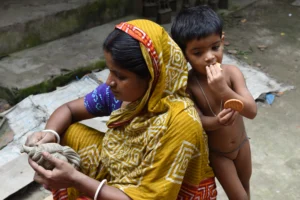
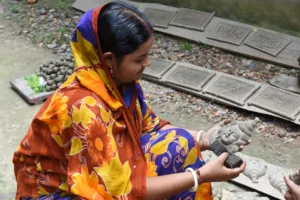
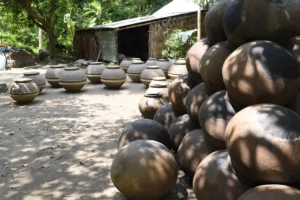
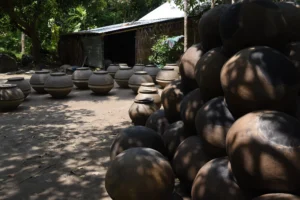
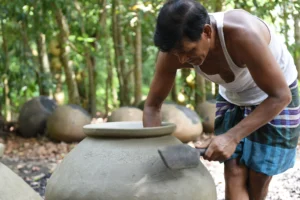
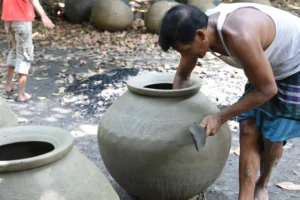
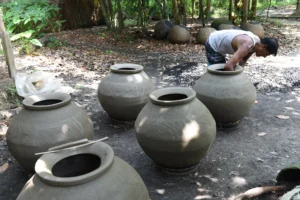
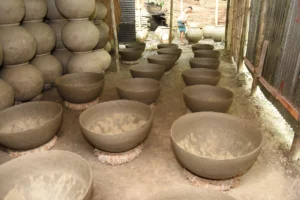
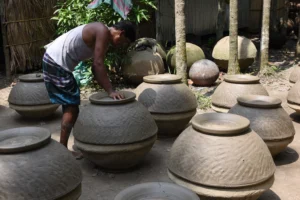
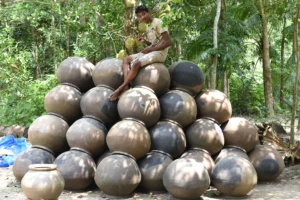
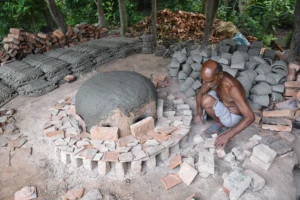
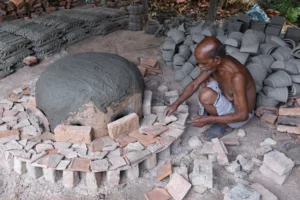
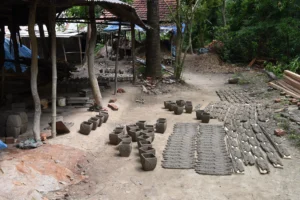
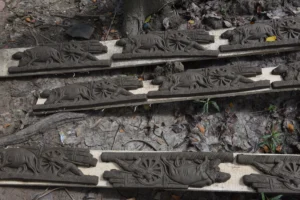
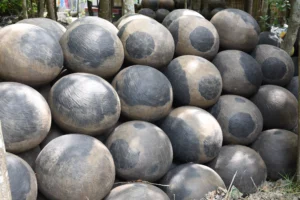
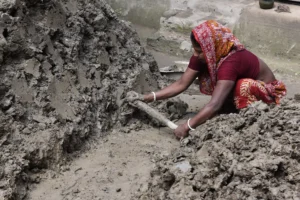
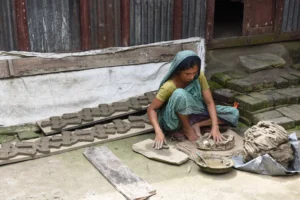
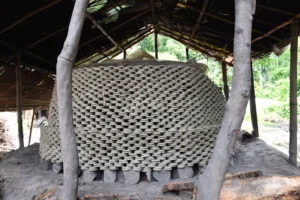
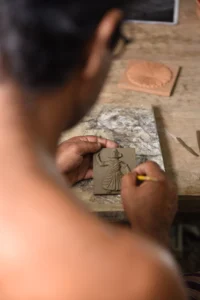
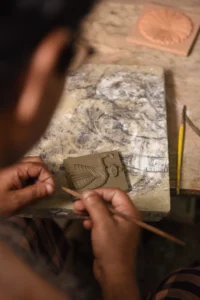
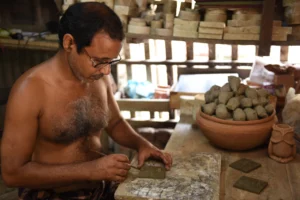
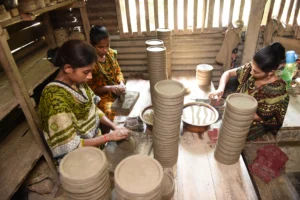
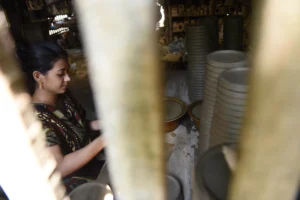
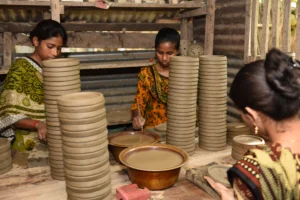
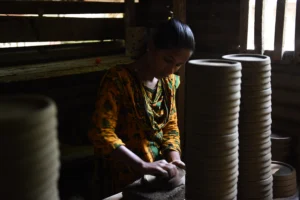
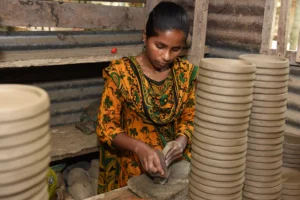
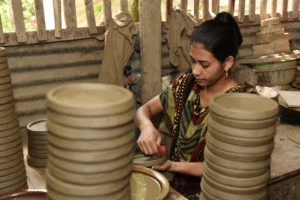
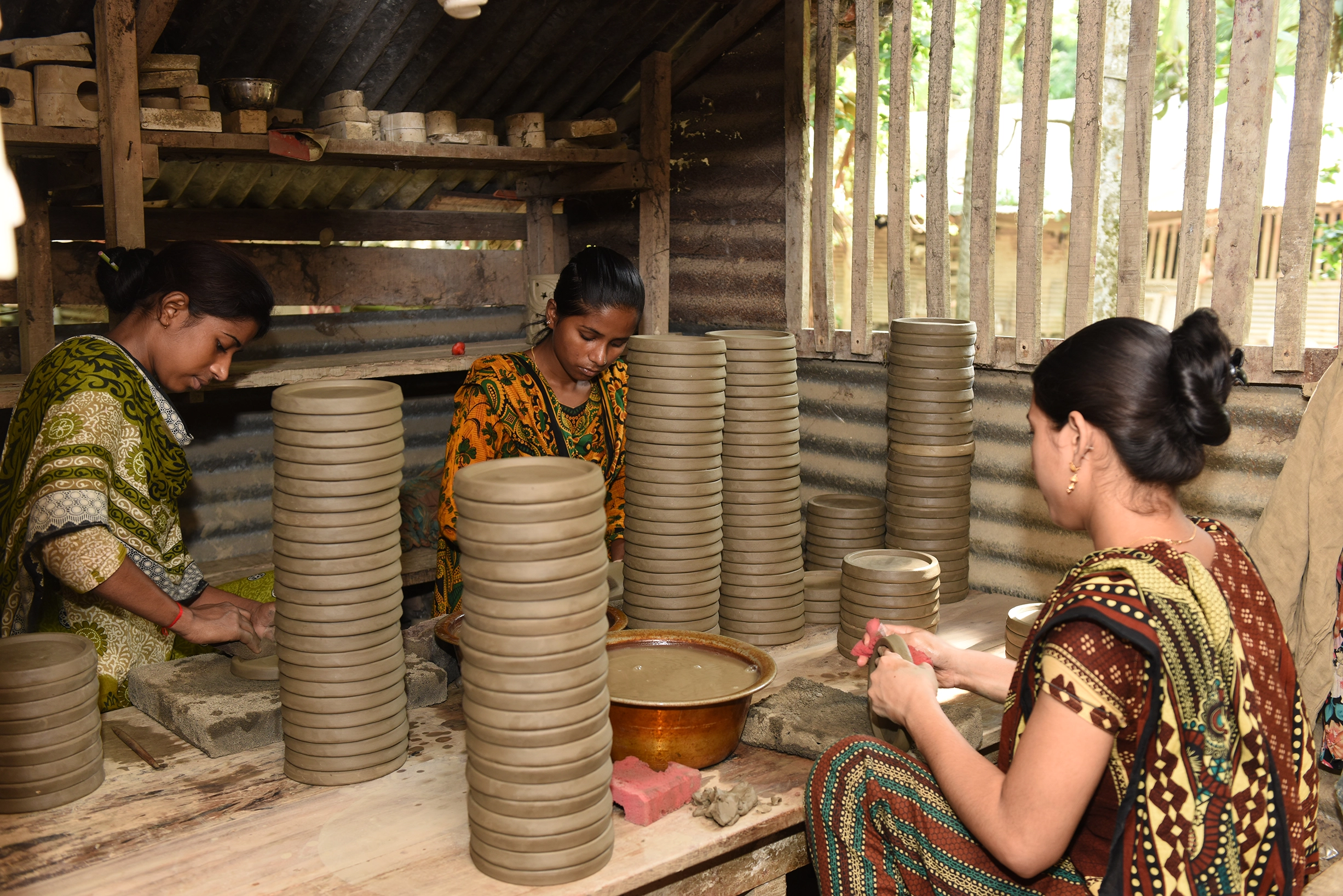
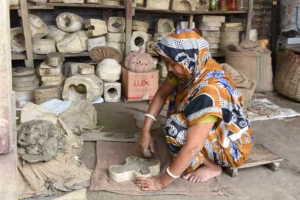
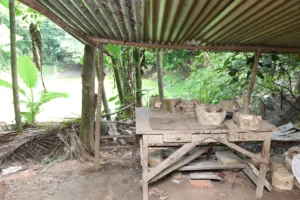
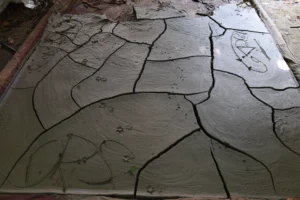
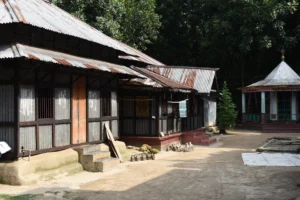
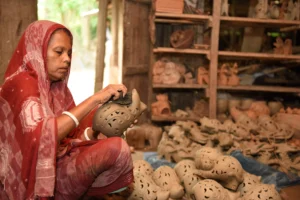
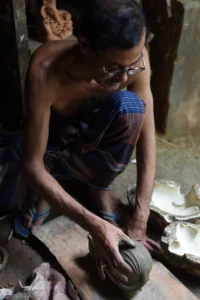
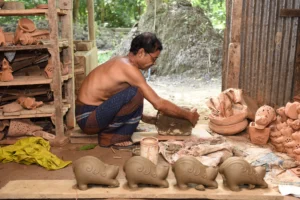
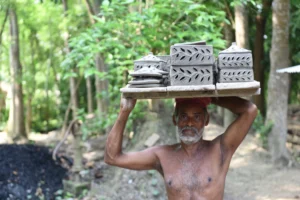
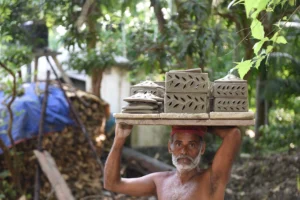
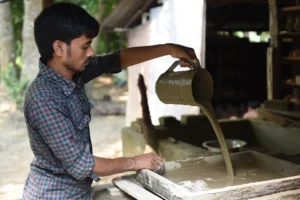
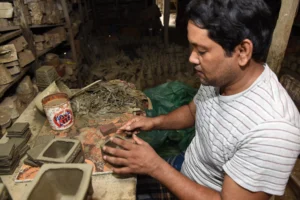
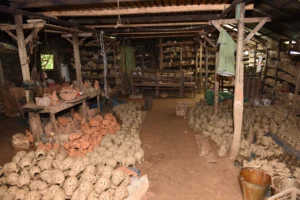
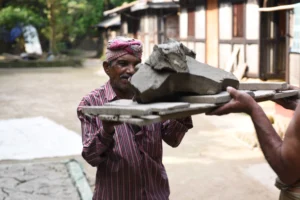
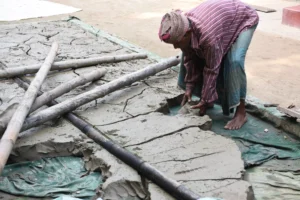
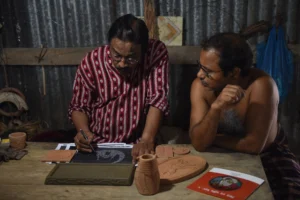
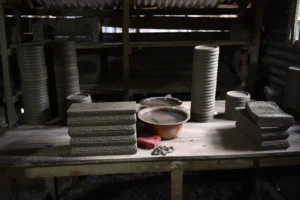
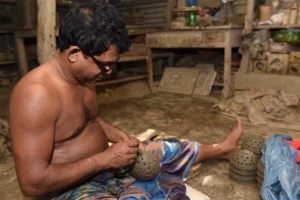
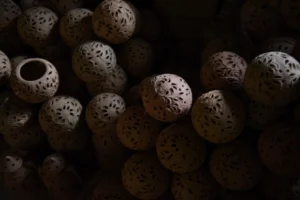
In the rural area of Bijoypur, Comilla, the traditional art of pottery-making has been passed down through generations. Local artisans shape clay into beautiful pots, vases, and other items, often with intricate designs. This craft is deeply rooted in the culture and heritage of the region. The potters skillfully use their hands and simple tools to mold the clay, continuing a practice that has sustained families for centuries. The handmade pots are not only used for daily life but also serve as symbols of the rich traditions of the area. Pottery-making is more than just a livelihood; it is a vital part of preserving the local heritage and connecting the past with the present.
Kartikpur Pottery Tradition
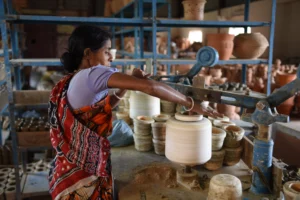
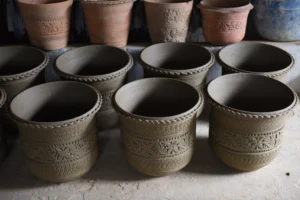
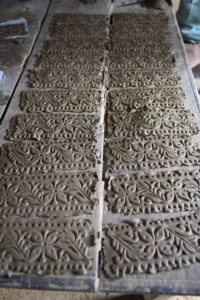
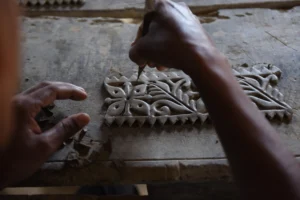
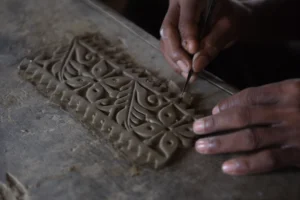
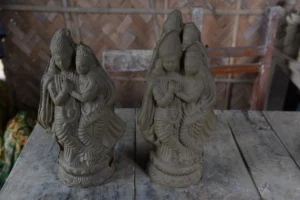
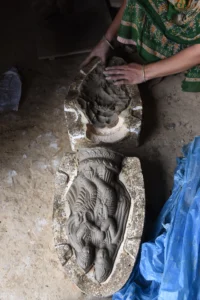
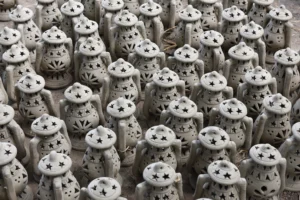
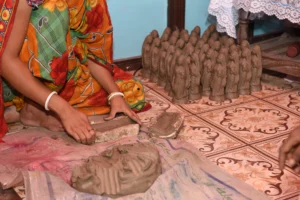
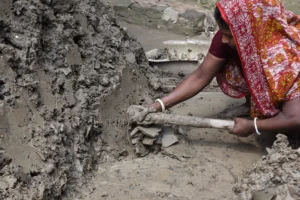
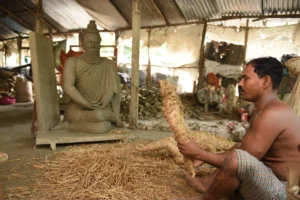
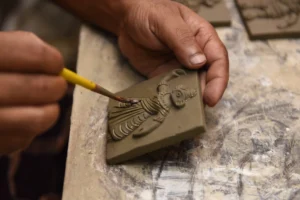
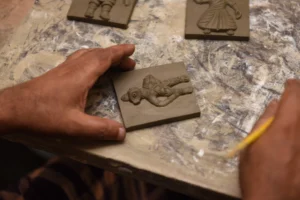
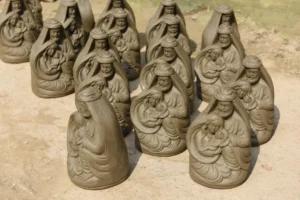
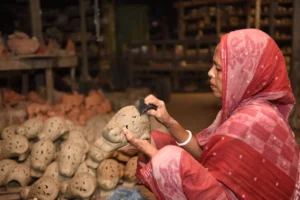
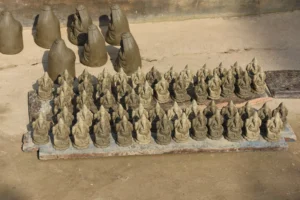
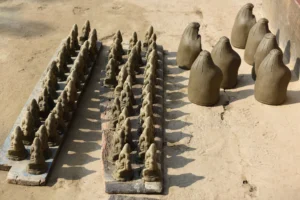
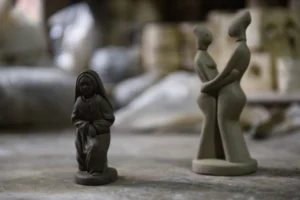
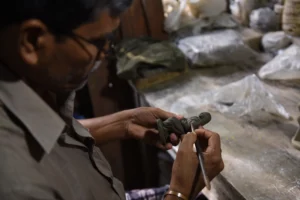
Kartikpur, a village in Shariatpur, Bangladesh, is famous for its traditional pottery, made by the Pals and Kumars communities. The artisans craft a variety of clay items, such as jars, plant pots, and terracotta dolls, using techniques passed down through generations. While the craft faces challenges in today’s modern world, some of these handmade pieces are still in demand, even being exported abroad. This tradition remains an important part of the local culture and economy.
Traditional Wooden Toy Making
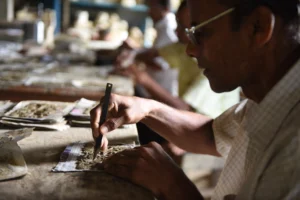
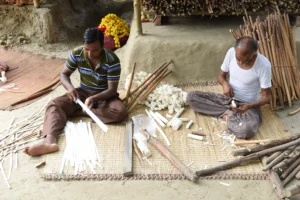
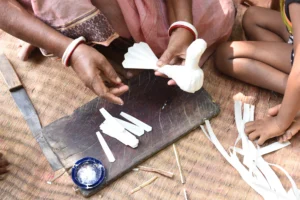
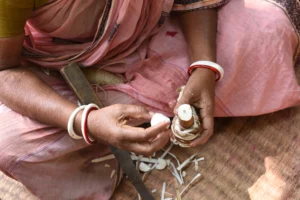
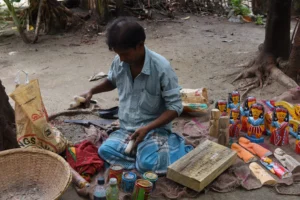
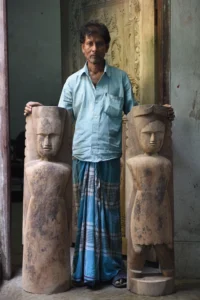
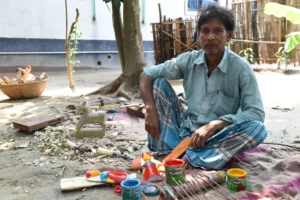
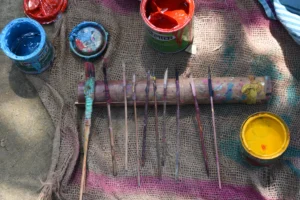
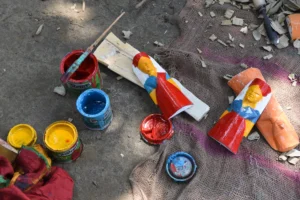
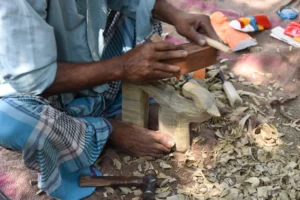
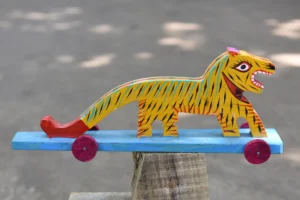
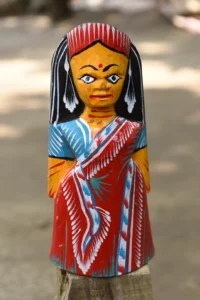
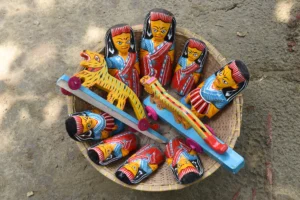
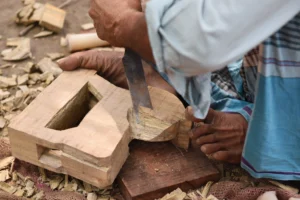
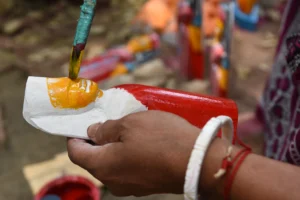
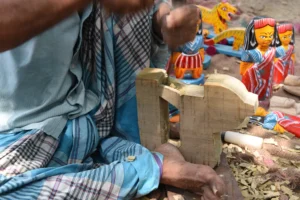
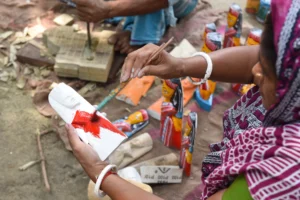
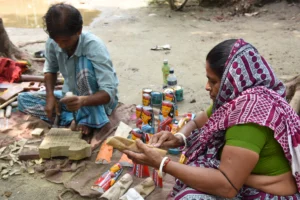
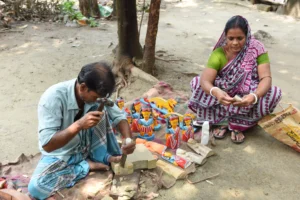
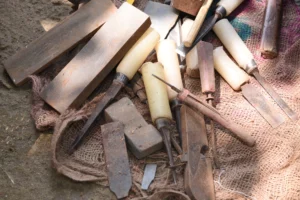
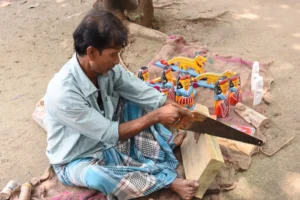
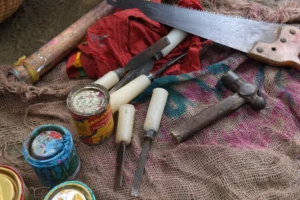
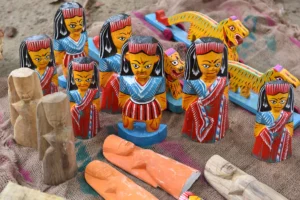
In Sonargaon, Narayanganj, the traditional craft of wooden toy making thrives as a testament to the region’s rich folk heritage. Skilled artisans meticulously carve wooden figures, ranging from animals to human forms, using simple tools like saws and chisels. Once shaped, the toys are vibrantly painted in bright colors, showcasing intricate designs and playful expressions. This craft, which has been passed down through generations, is not only a source of livelihood but also a cultural symbol, reflecting the creativity and craftsmanship of the local community. Despite the rise of mass-produced toys, these handmade wooden treasures continue to captivate both local buyers and international collectors, preserving a timeless tradition.