Humayun Ahmed was one of the most loved writers and filmmakers Bangladesh has ever seen. He was not just an author or a director; he was a storyteller who lived inside people’s homes, bookshelves, and TV screens for decades.
What made Humayun Ahmed different is the simplicity. His writing felt real. His characters felt familiar. Whether it’s a novel, a TV drama, or a film, he knew how to connect deeply with ordinary people. He has brought emotion, humor, silence, and realism together in a very natural way.
He reshaped modern Bangla literature, popularized TV drama in Bangladesh, and created a new style of filmmaking rooted in emotion and storytelling rather than glamour. His work influenced generations of readers, viewers, writers, and filmmakers.
I was fortunate to work closely with Humayun Ahmed on several occasions.
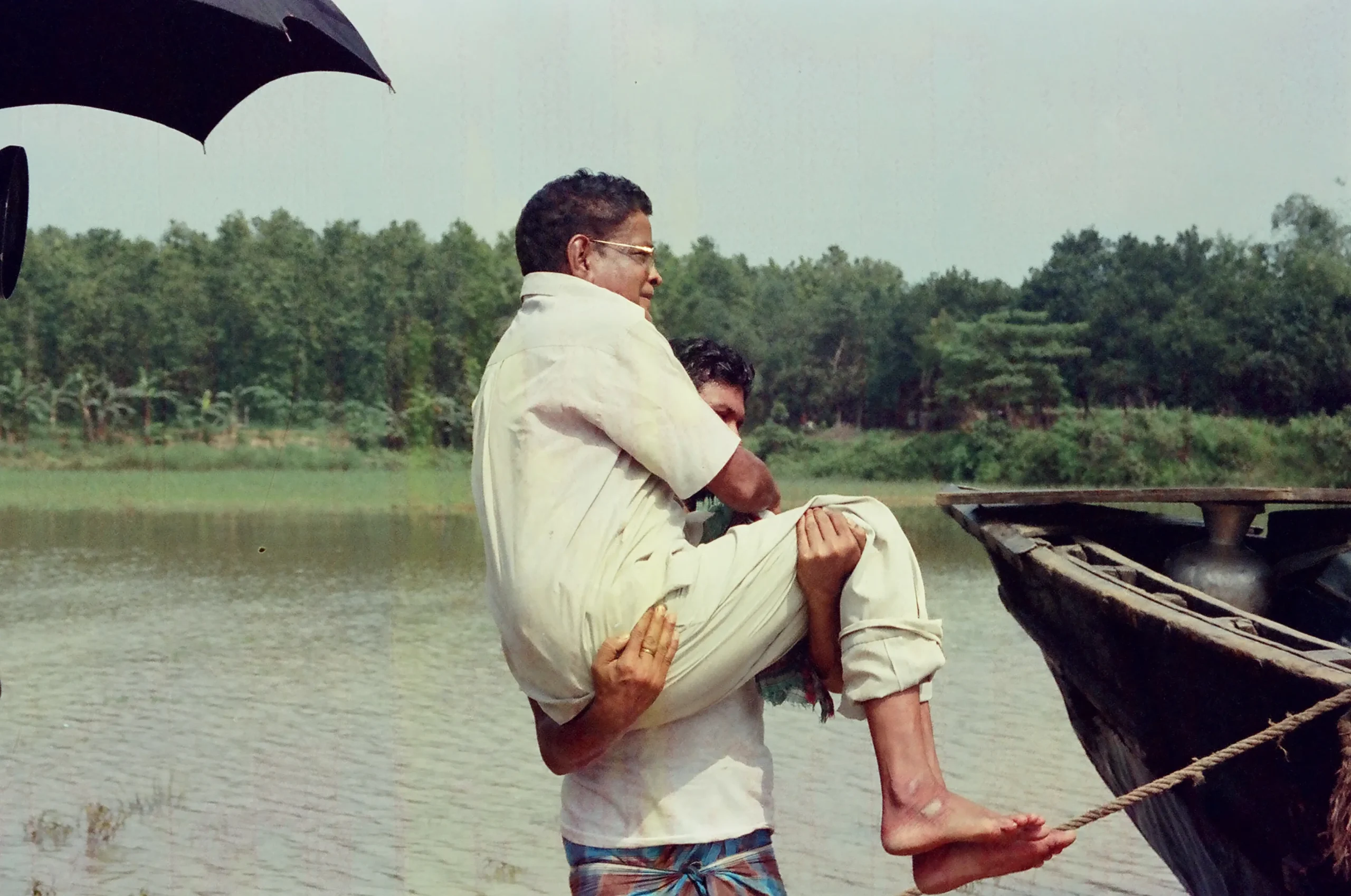
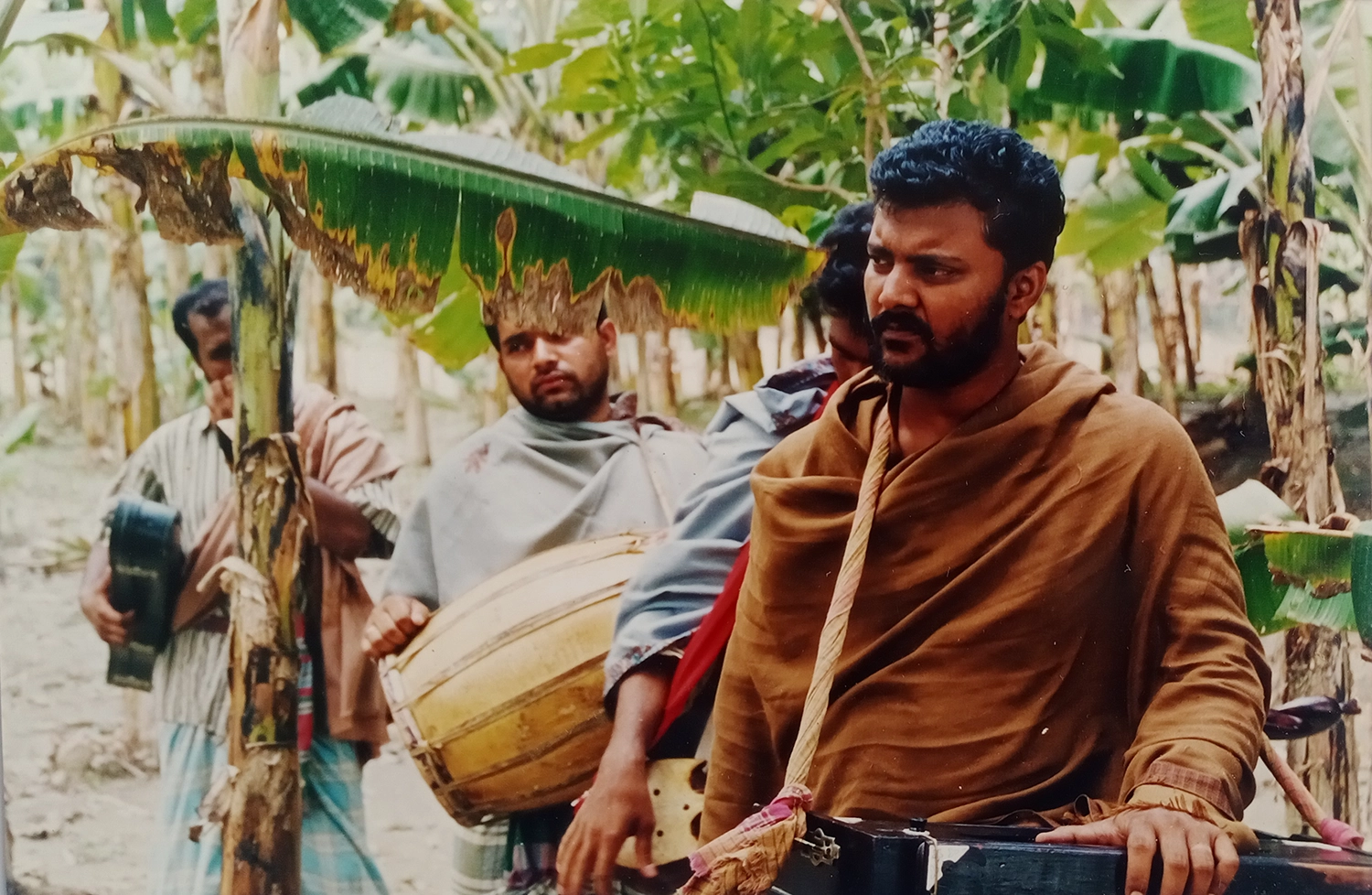
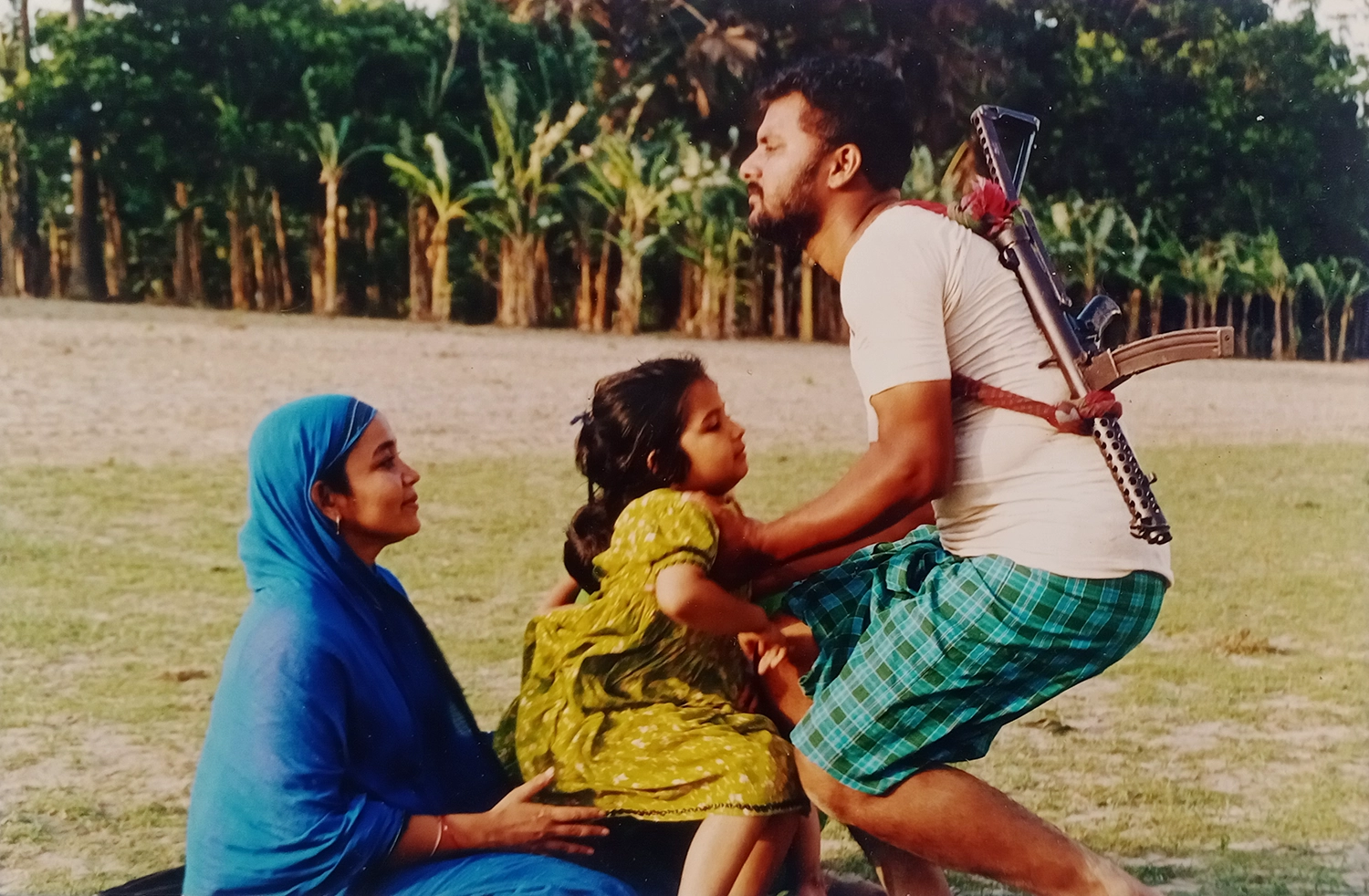
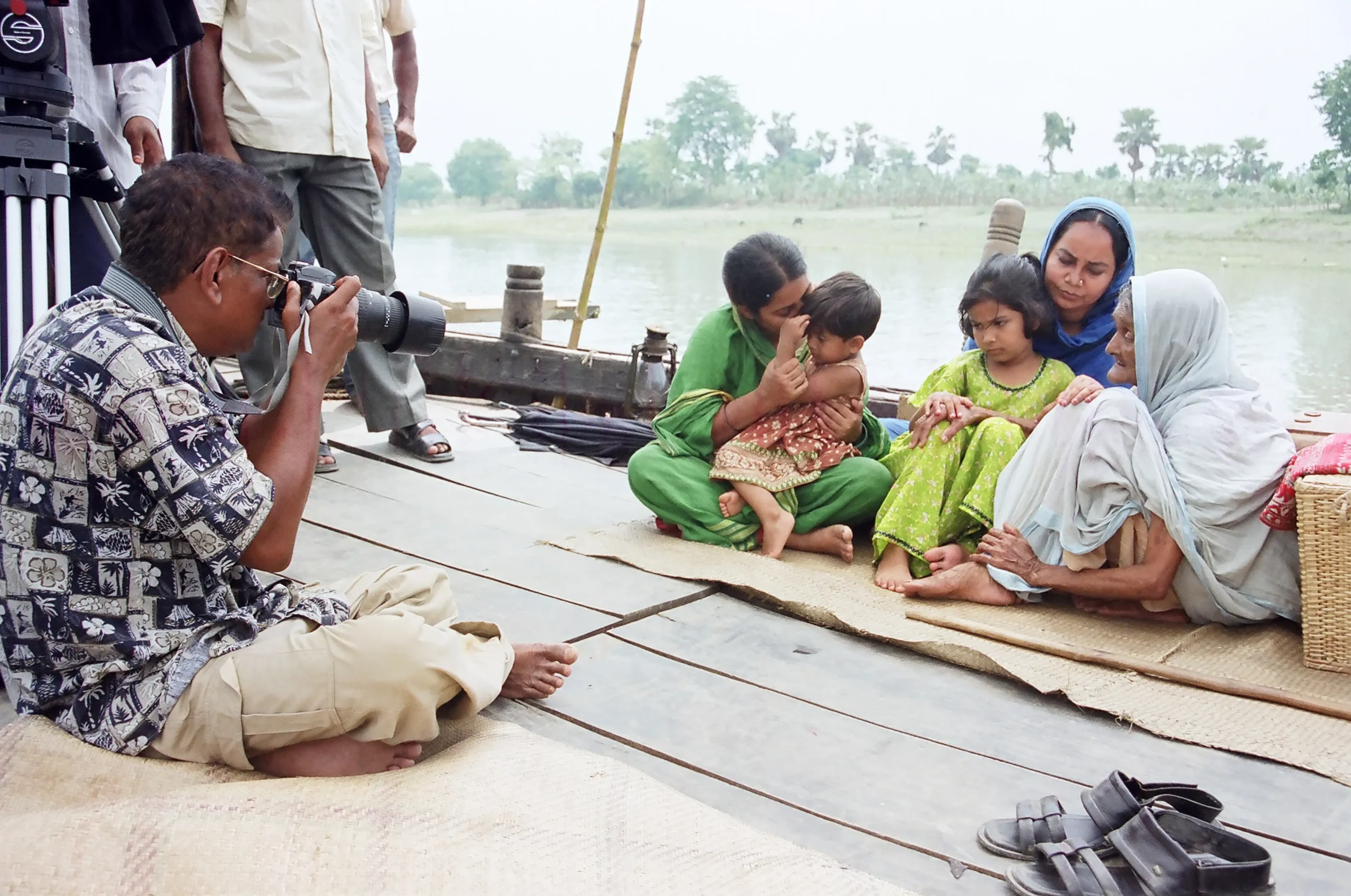
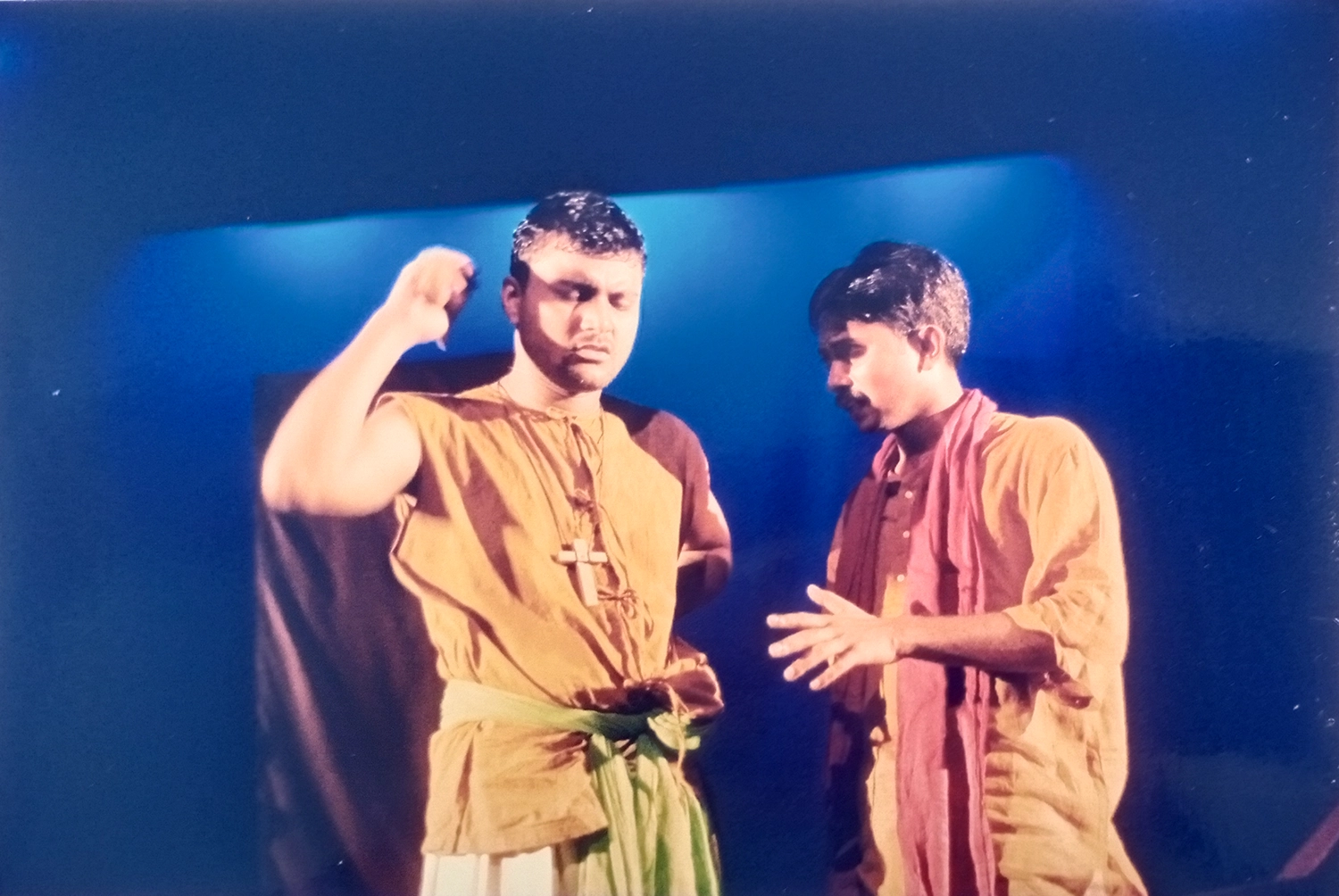
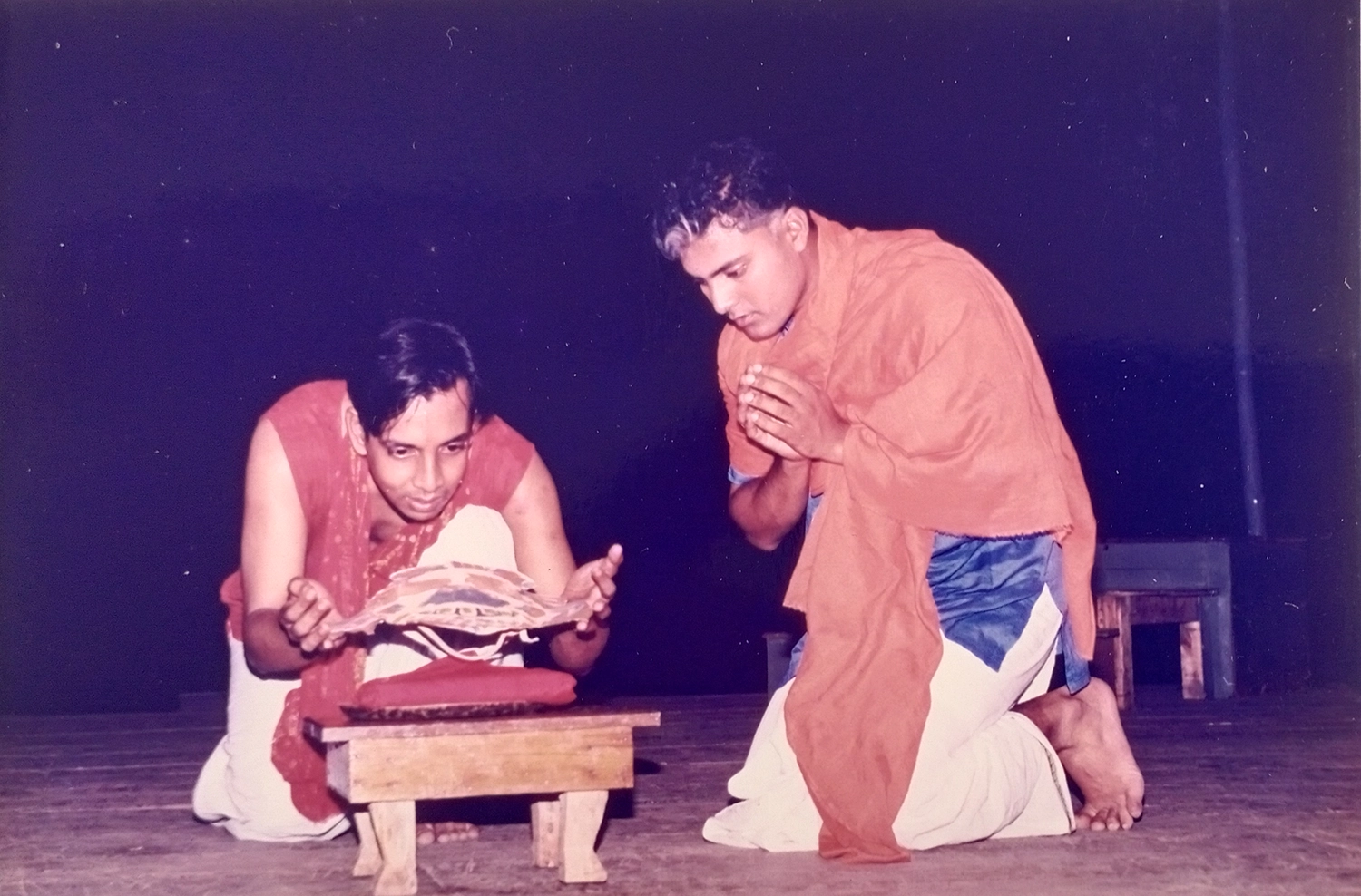
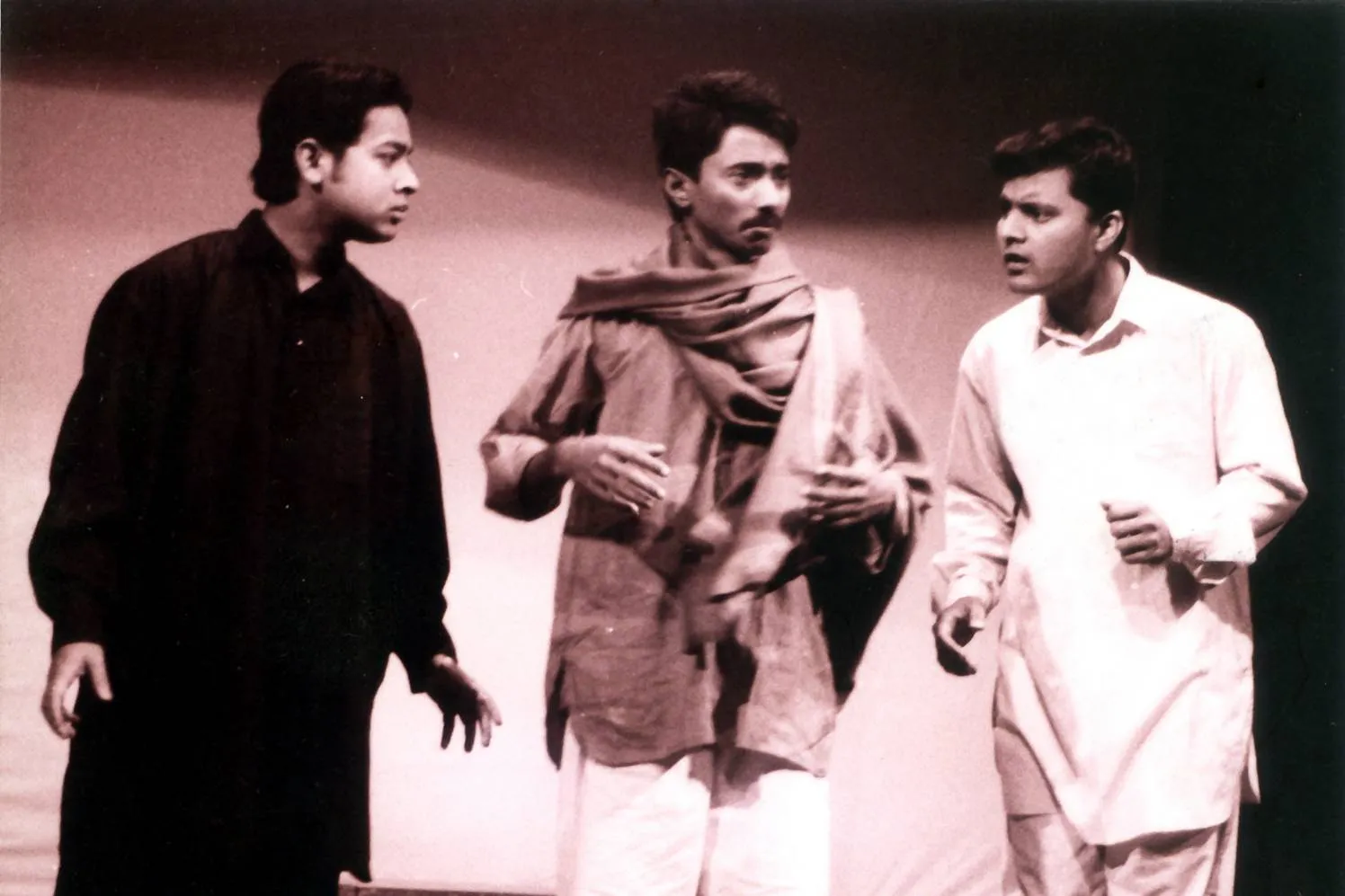
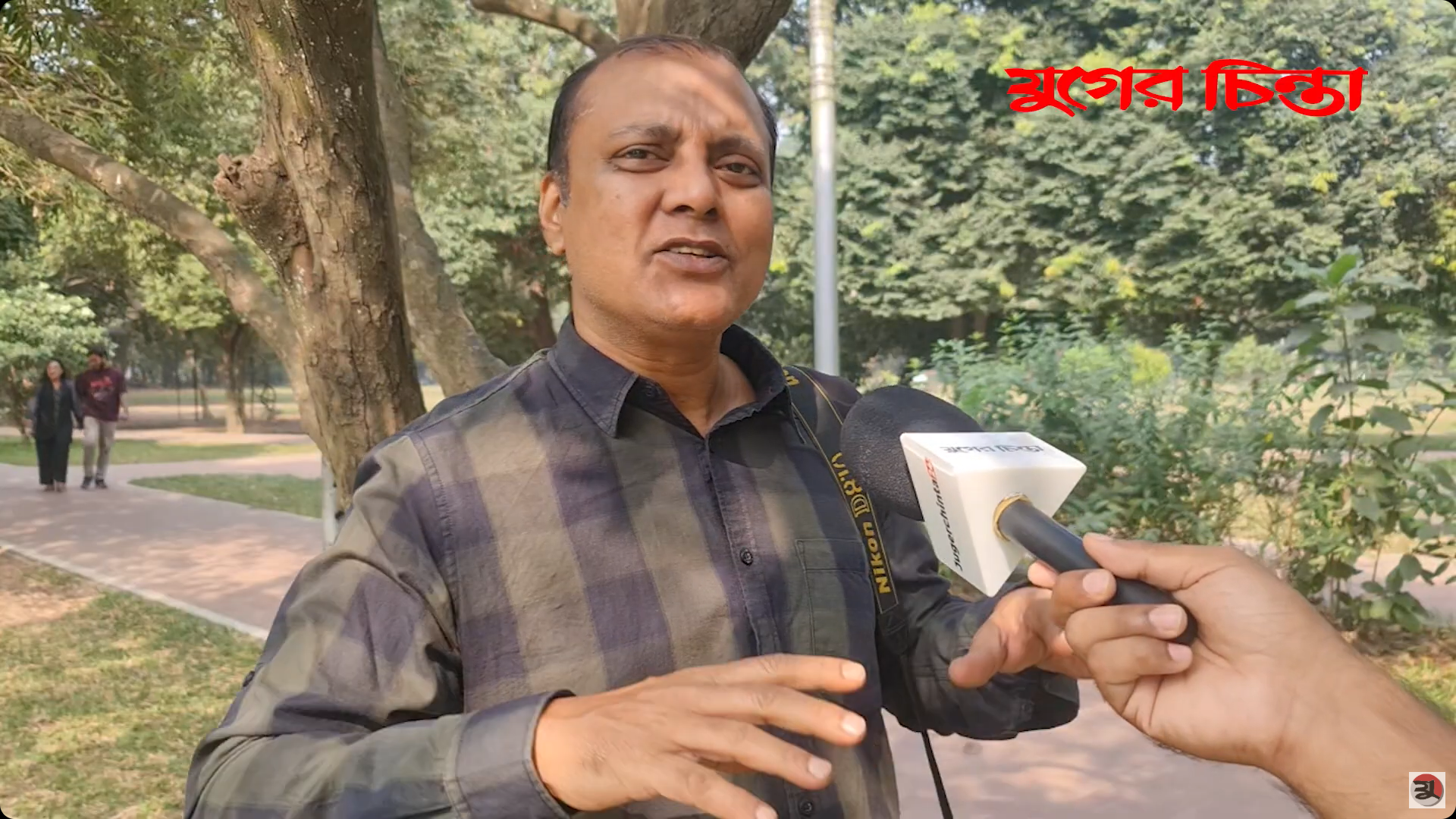
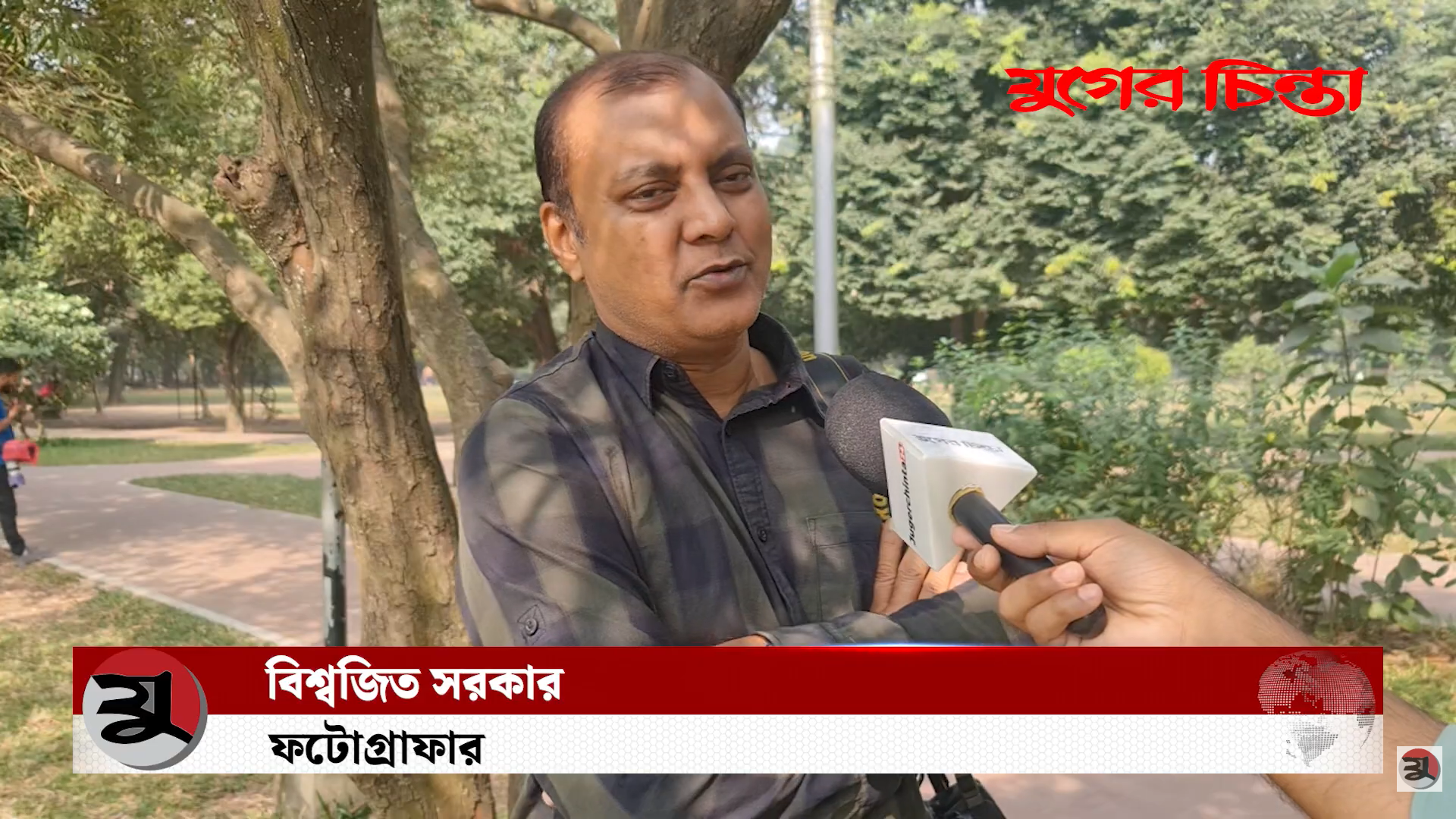
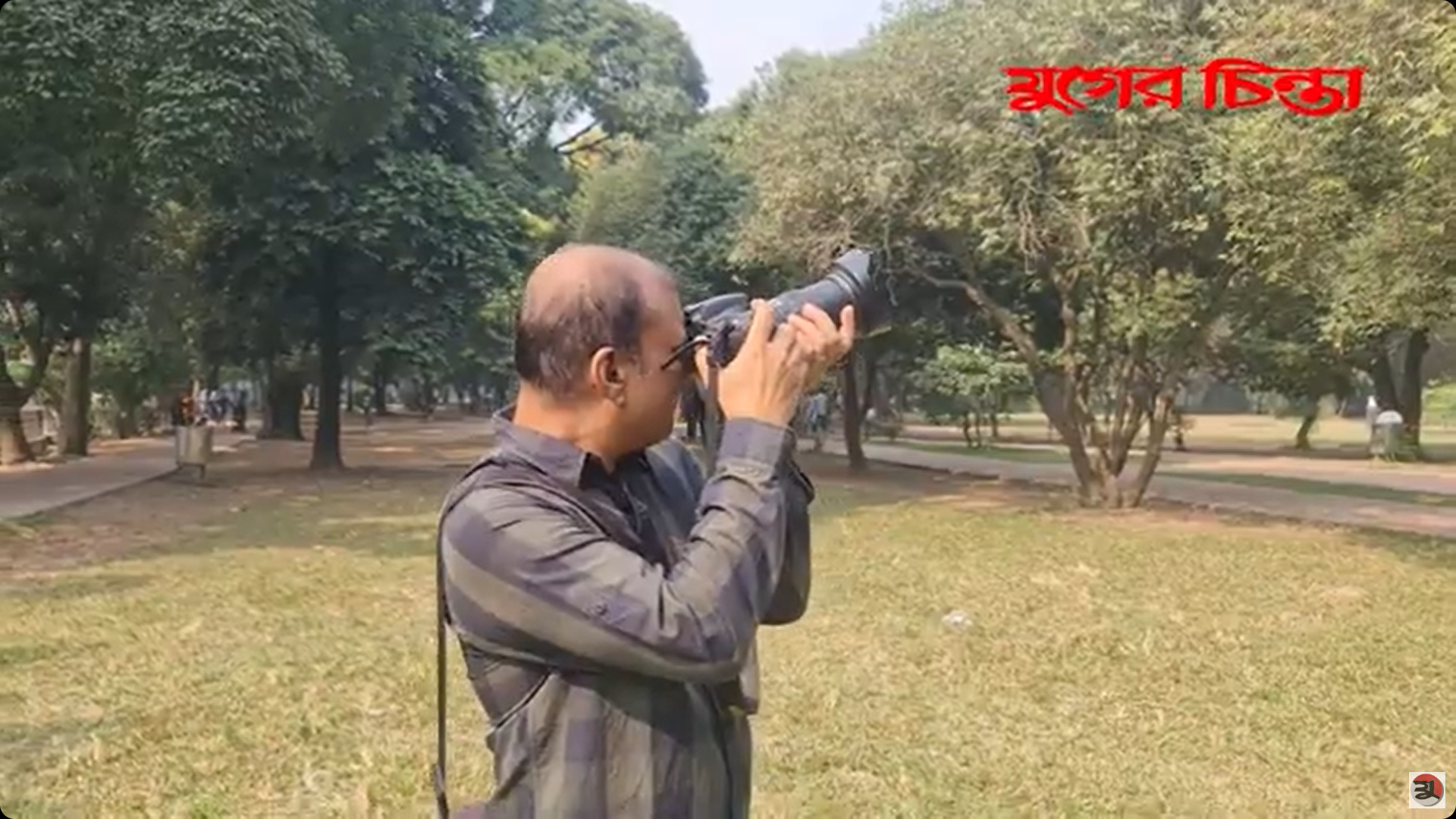
I acted in two of his directed films: Shyamol Chhaya (2004) and Chandrokotha (2003), in minor roles. In both films, I also worked as the official still photographer, capturing behind-the-scenes moments and on-set actions. I also acted in his TV drama series Urey Jai Bok Pokkhi (2005–2006).
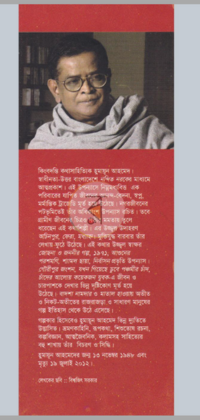
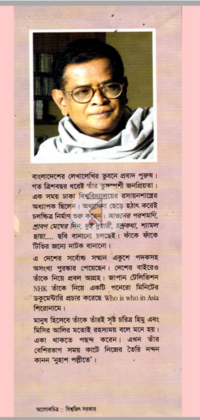
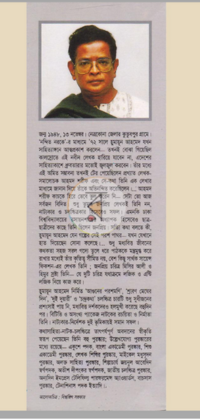
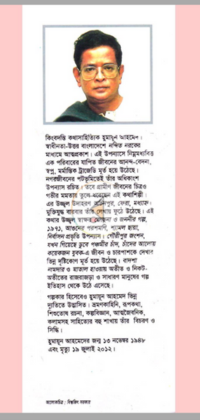
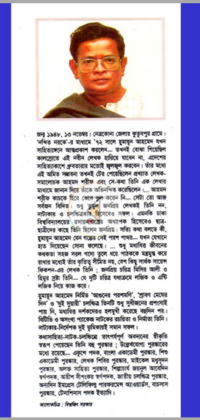
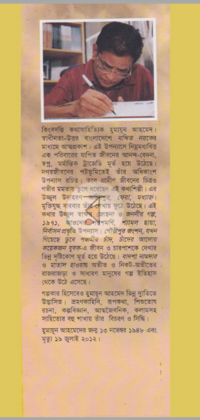
Beyond film and television, my photography was featured on the cover and author flaps of several of his books — an opportunity I consider deeply meaningful. These include Ei Shubhra! Ei, Ural Pankhi, Prothom Prohor, Jodio Shondhya, Parapar, Ami-e Misir Ali, and Jochona O Jononir Golpo. Having my photographs associated with these iconic works remains one of the proudest moments of my career.
Over the years, I met him many times- at film sets, family gatherings, public events, and private moments, working as a photographer. These moments allowed me to see him closely: calm, thoughtful, humble, and deeply human.
Working with Humayun Ahmed was more than a professional experience. It was a privilege. As a photographer and an artist, being part of his creative world shaped my journey in ways I still carry today.