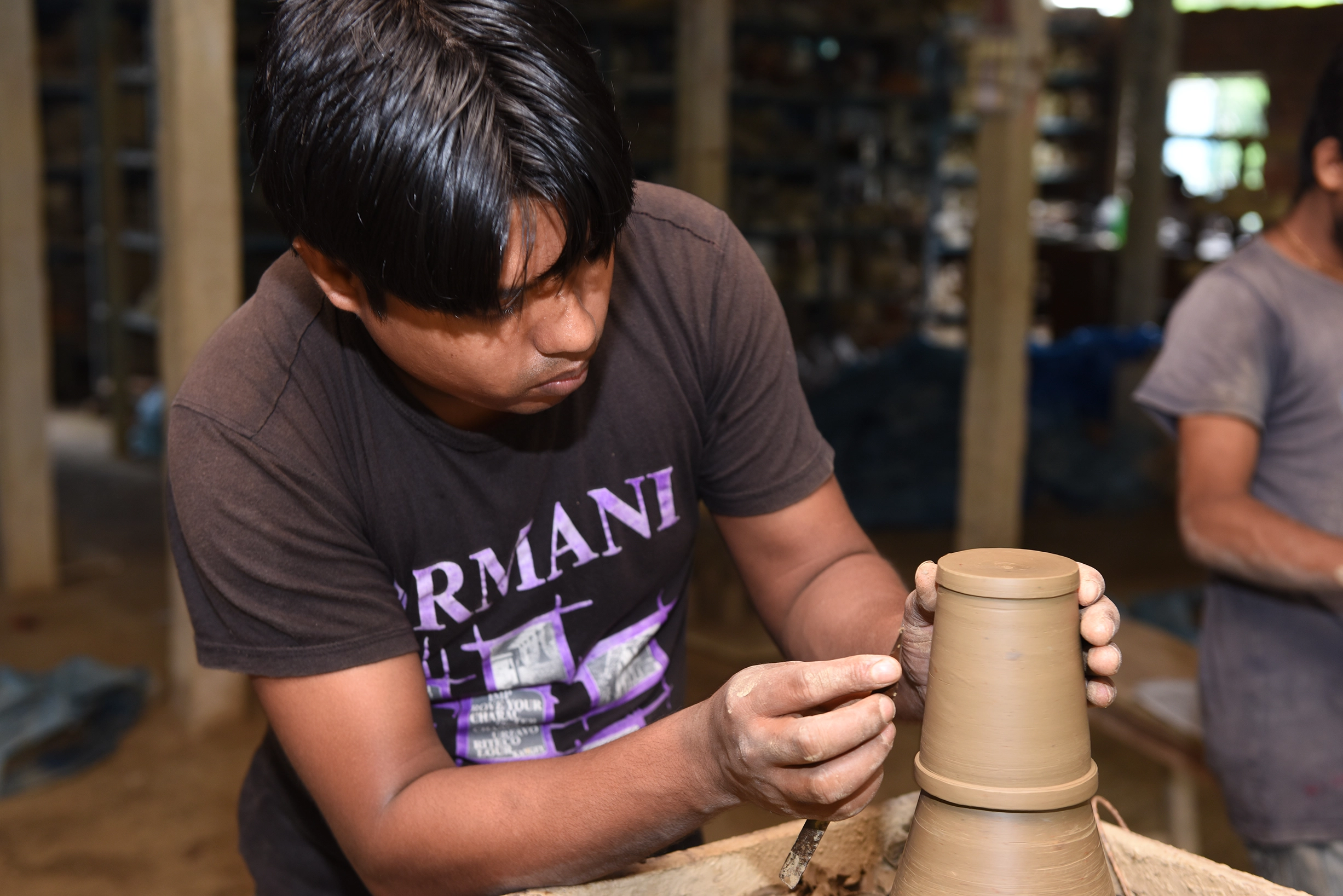
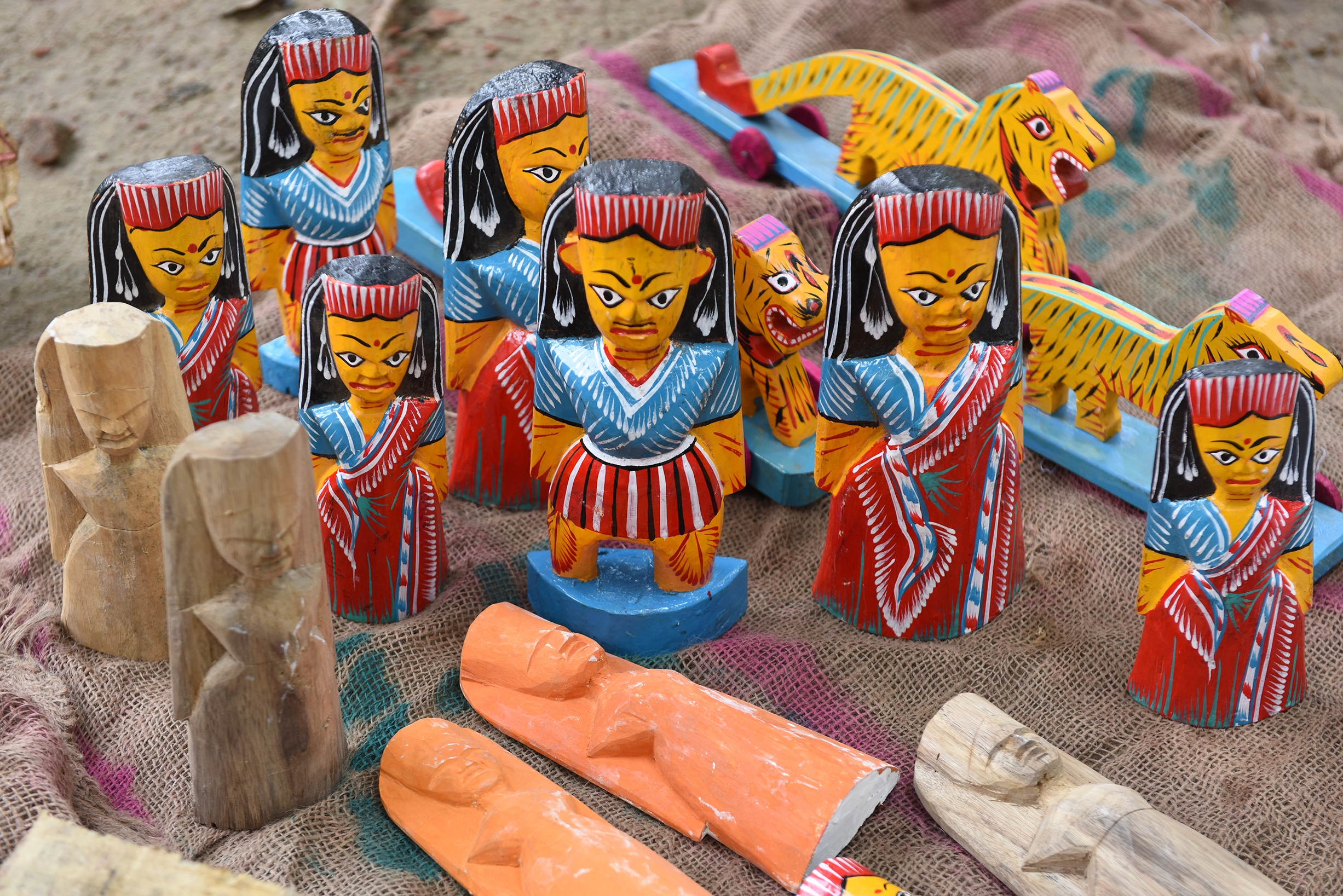
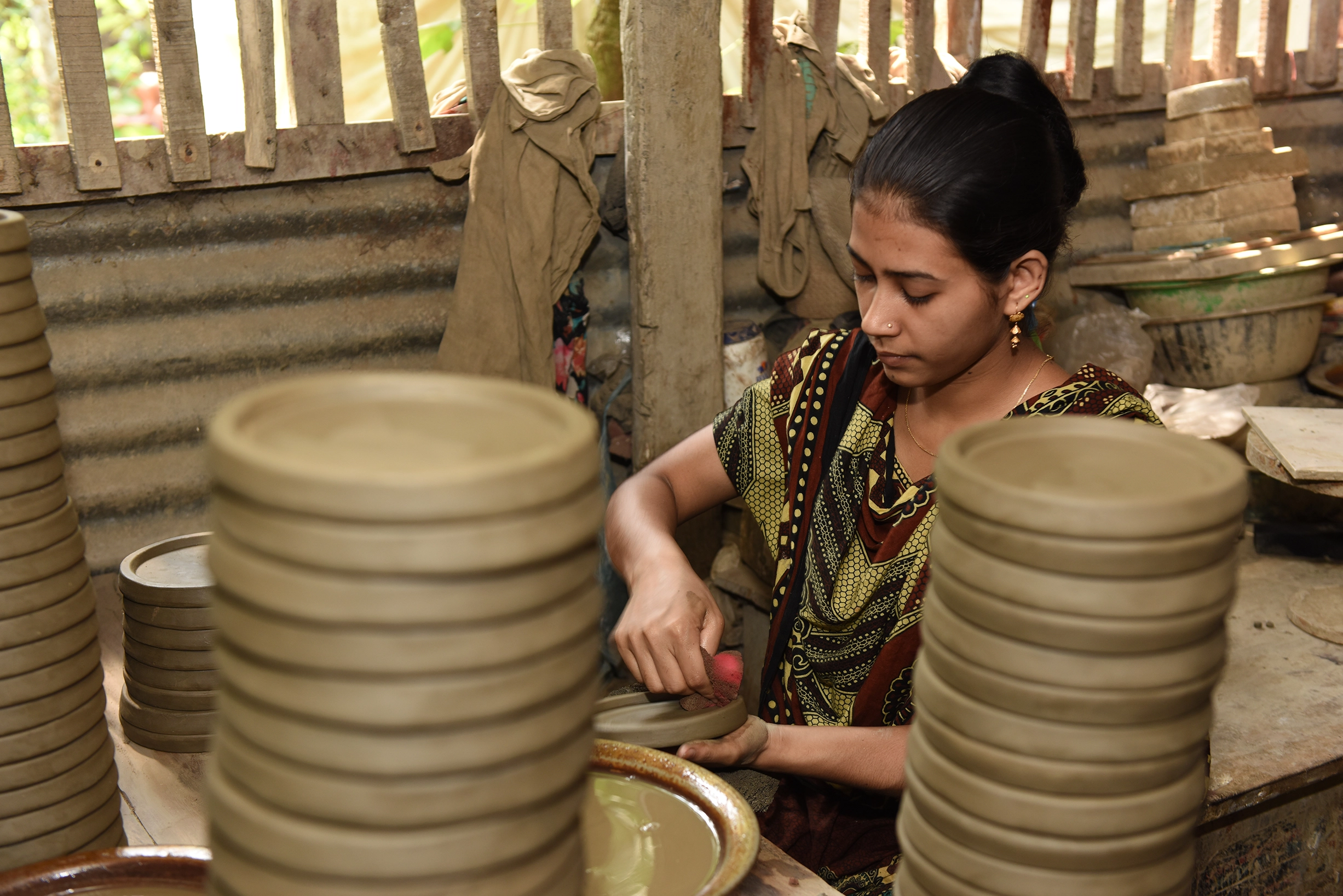
কুমিল্লার লালমাই পাহাড়ের পাদদেশে ছোট্ট একটি গ্রাম, বিজয়পুর। শহরের কোলাহল থেকে দূরে, এই গ্রামটিতে ঢুকলেই মনে হয় যেন সময় থেমে গেছে। চারপাশে লাল মাটি, খোলা উঠোনে রোদে শুকোতে দেওয়া হাঁড়ি-পাতিল, আর মাটির গন্ধে ভরা বাতাস। এখানকার মানুষ শত শত বছর ধরে মাটি দিয়ে গড়ে তুলছে জীবনের গল্প: হাঁড়ি, কলস, ফুলের টব, পুতুল, প্রদীপ।
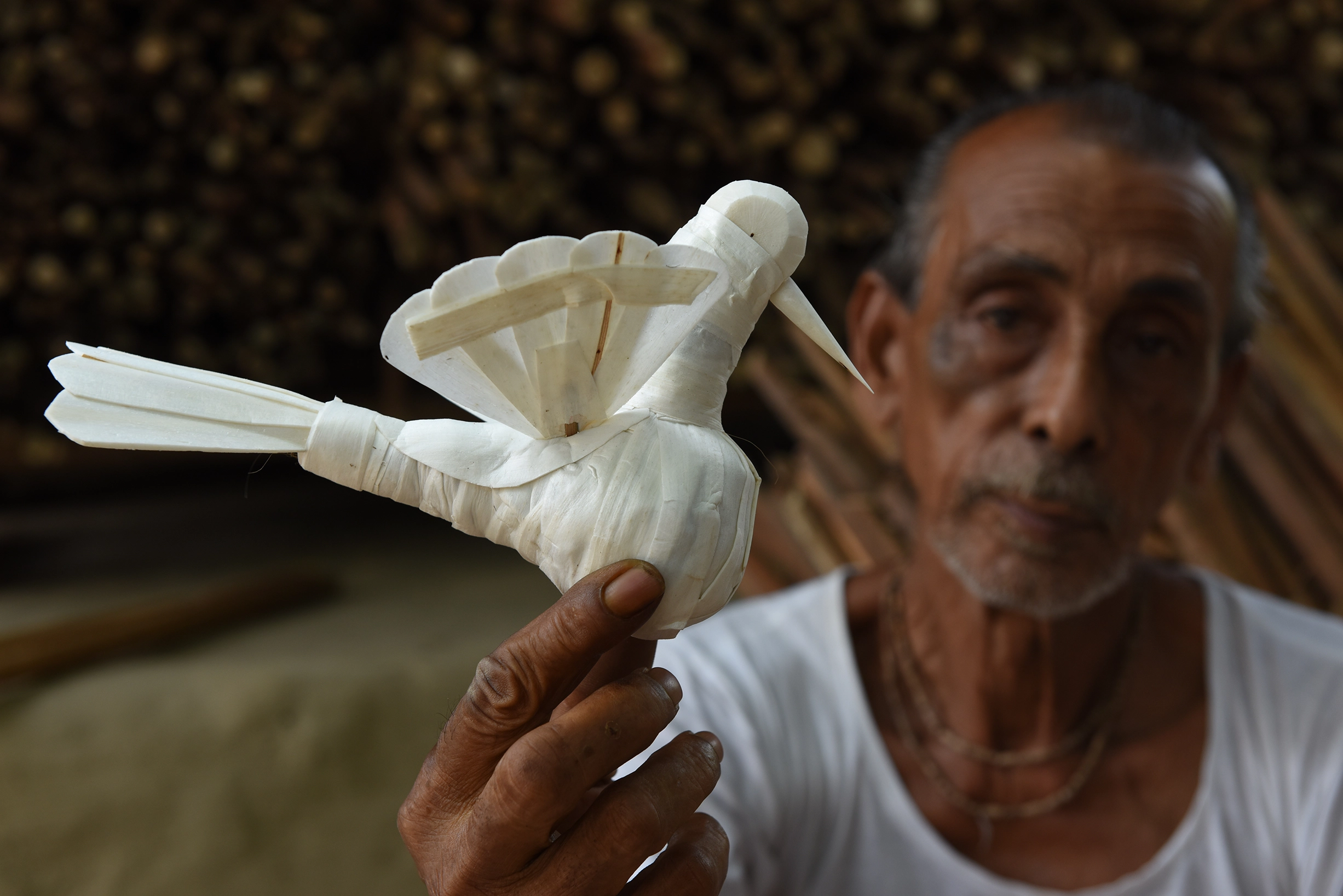
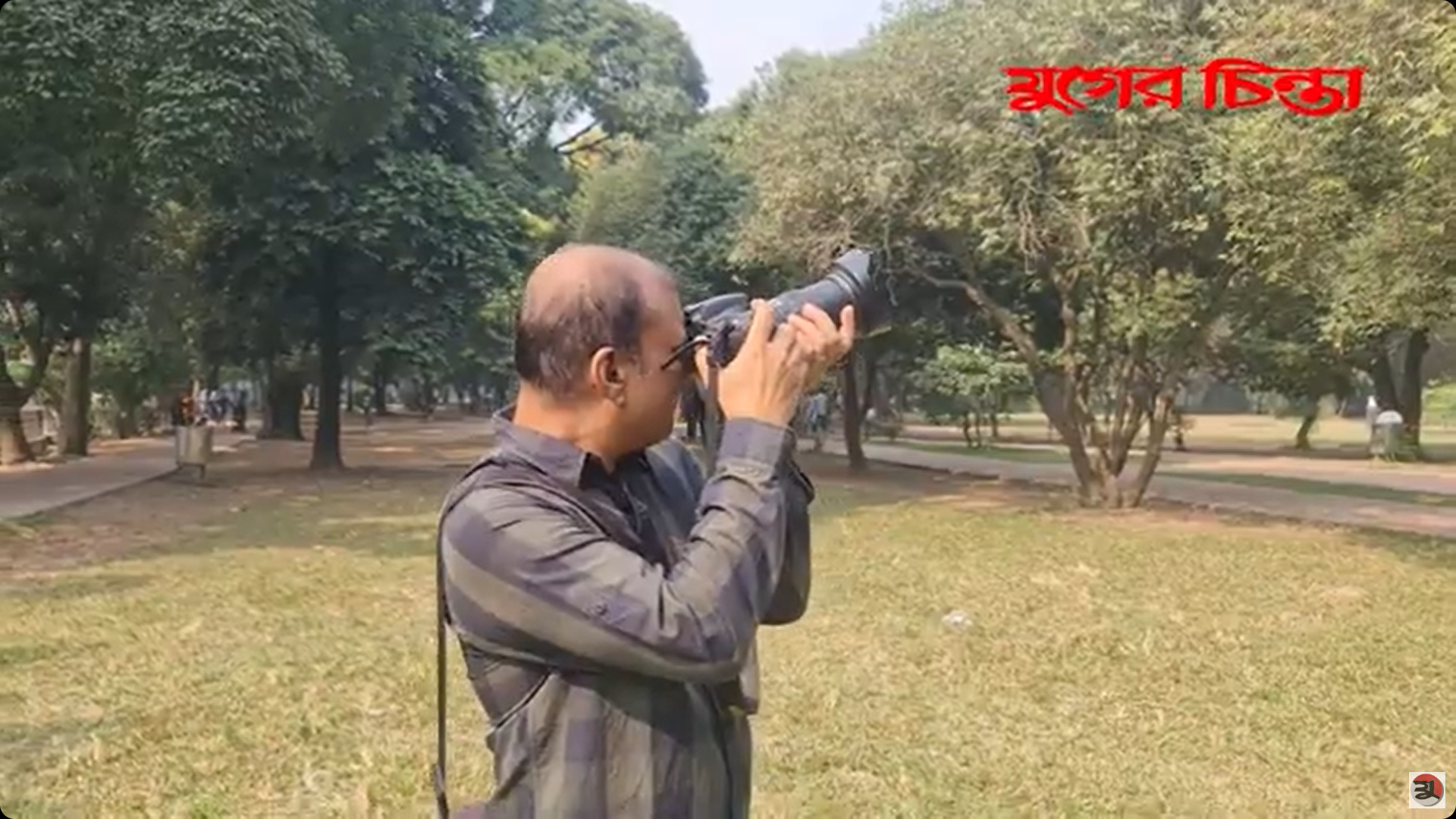
একজন আলোকচিত্রী হিসেবে বিজয়পুরে যাওয়া আমার জন্য শুধু একটি ভ্রমণ নয়, বরং একটি আবিষ্কার। এখানে এসে বুঝেছি, মাটির কাজ শুধু পেশা নয়, এটা তাদের পরিচয়, তাদের ইতিহাস। বৃদ্ধ কারিগরদের হাতের ছোঁয়ায় যেমন তৈরি হয় একটি কলস, ঠিক তেমনভাবেই প্রজন্মের পর প্রজন্ম ধরে এই শিল্প বেঁচে আছে।
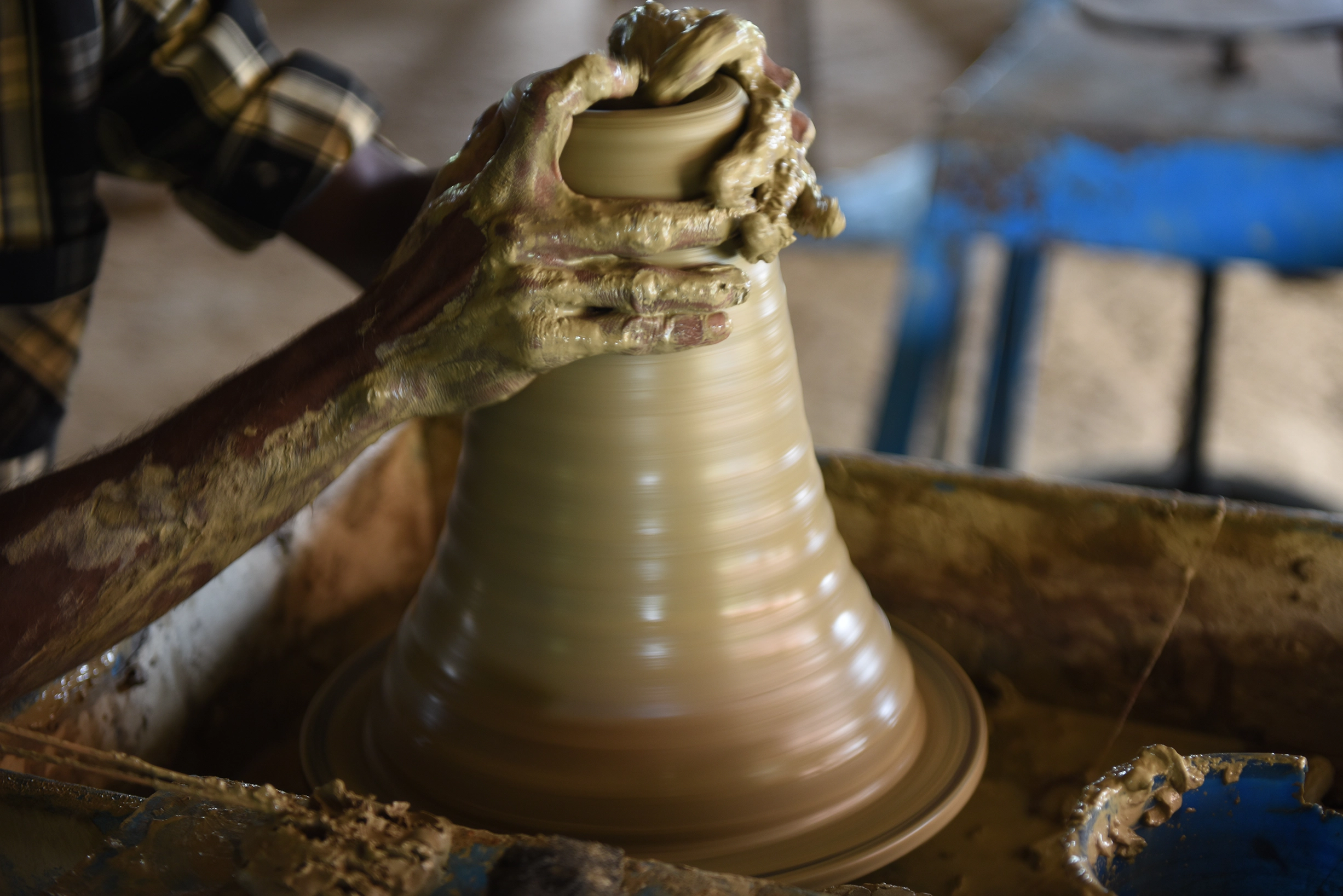
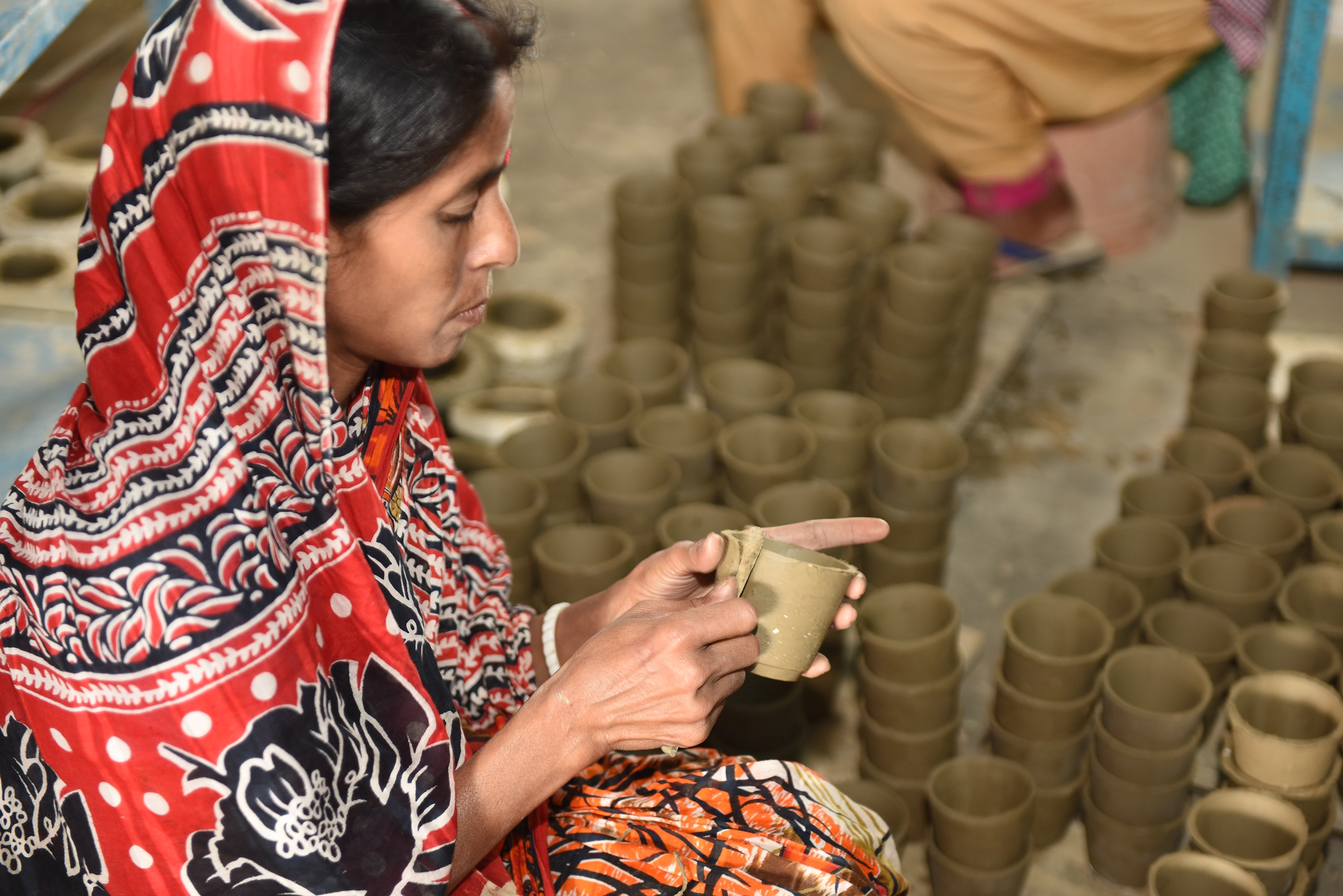
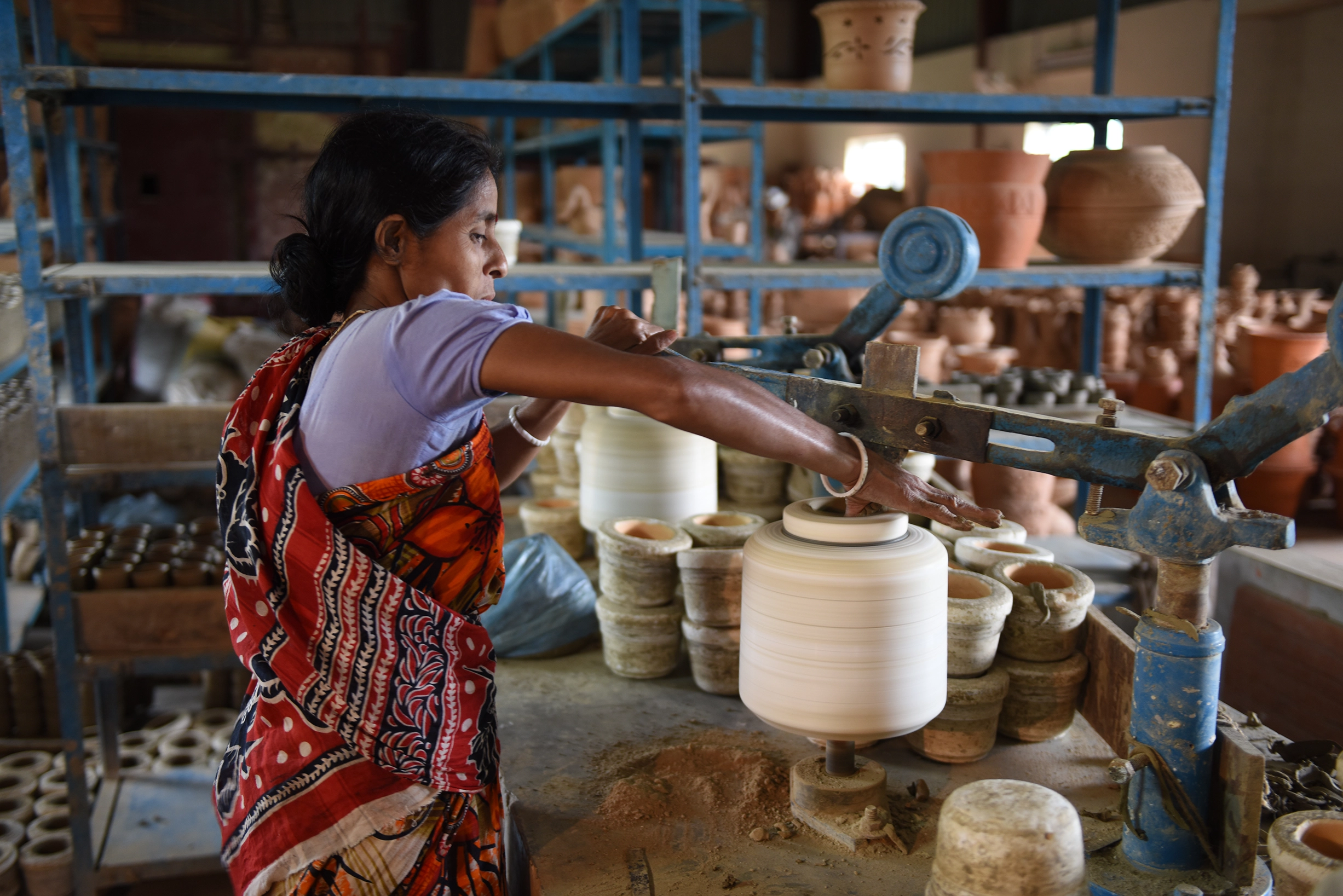
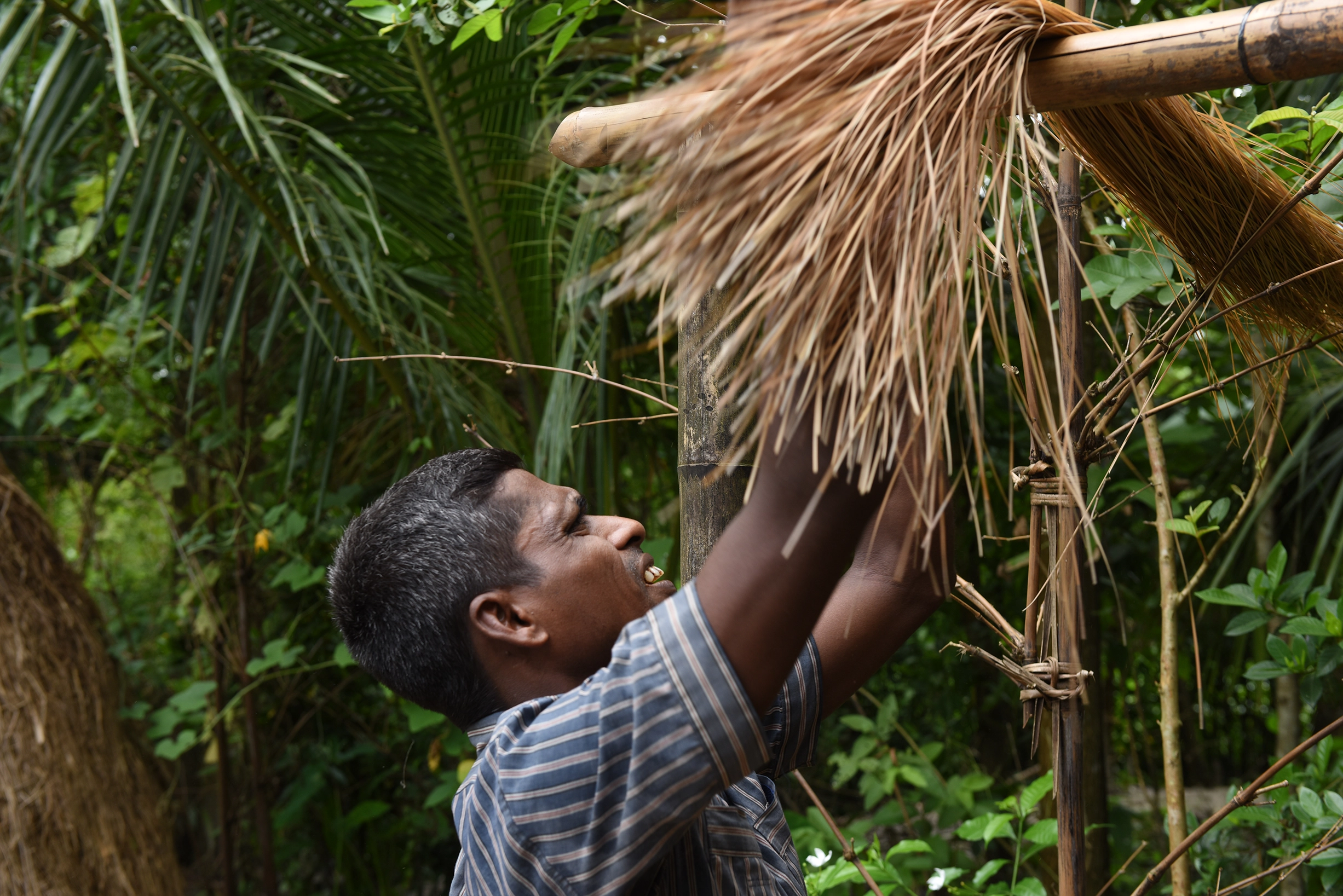
বিজয়পুরের কারিগররা আজও খুব সাধারণ উপায়ে কাজ করেন। কাছের পাহাড়ি অঞ্চল থেকে মাটি এনে তা পরিষ্কার করে, পা দিয়ে মথে, চাকায় বসিয়ে গড়ে তোলেন নানা রূপ। তারপর রোদে শুকিয়ে, আগুনে পুড়িয়ে তৈরি হয় শক্ত মাটির পাত্র। প্রতিটি জিনিসের ভেতর থাকে হাতের ছাপ, শ্রমের গল্প, আর গ্রামের জীবন।
এই মাটির হাঁড়ি শুধু রান্নার কাজে নয়, এগুলো আমাদের সংস্কৃতির অংশ। গ্রামবাংলার বিয়ে, পূজা, দৈনন্দিন জীবন, সবখানেই মাটির জিনিসের ব্যবহার ছিল, এখনও আছে। অথচ আধুনিক প্লাস্টিক আর ধাতুর ভিড়ে এই শিল্প আজ হুমকির মুখে।
বিজয়পুরে ঘুরে আমি দেখেছি, কারিগরদের চোখে এখনো আশা আছে। তারা চায় তাদের সন্তানেরাও এই শিল্প বাঁচিয়ে রাখুক। আমার ক্যামেরায় ধরা পড়েছে সেই আশা, সেই সংগ্রাম, সেই গর্ব।
এই ছবিগুলো শুধু ছবি নয়, এগুলো আমাদের শিকড়ের কথা বলে। আমাদের মনে করিয়ে দেয়, আমরা কোথা থেকে এসেছি।
আপনি যদি কখনো কুমিল্লায় যান, বিজয়পুরে ঘুরে আসুন। মাটির গন্ধে ভরা সেই গ্রাম আপনাকে আপনার নিজের ইতিহাসের কাছে ফিরিয়ে নিয়ে যাবে। কারণ এই মাটির গল্প আমাদেরই গল্প।
আমি বাংলাদেশের গ্রামীণ জীবনকে আলোকচিত্রের মাধ্যমে তুলে ধরেছি। সেই পেজে বিজয়পুরের মাটির শিল্প ও গ্রামের জীবনকে বিশেষভাবে ফিচার করেছি। সময় পেলে একবার ঘুরে আসবেন।
Bijoypur Pottery Heritage: Capturing Bangladesh’s Living Tradition
The rural village of Bijoypur in Cumilla is home to one of Bangladesh’s most enduring crafts: pottery. Long before industrial kilns and factories, local artisans in Bijoypur learned to transform red clay into pots, jugs, vases and even religious idols.
Pottery is one of the earliest arts of humankind, and in Bangladesh it remains a keeper of tradition and identity. Today, the community’s skilled craftsmen still use locally sourced mineral-rich soil, carefully cleaning and kneading it before shaping vessels by hand or on a simple wheel.
Once shaped, the pieces are sun‑dried, decorated with intricate designs and fired in a kiln to make them durable. The final products fall into two categories: everyday utensils like plates, water jugs and cooking pots and showpieces such as flower tubs, terracotta figurines and lamps. The beauty of Bijoypur pottery lies in its earthy texture and motifs. Each piece reflects the local environment and the artisans’ deep connection to the soil.
Despite its cultural importance, the pottery industry is under pressure. Industrialisation and rising production costs threaten the livelihoods of Bijoypur’s potters. Yet the community continues to adapt.
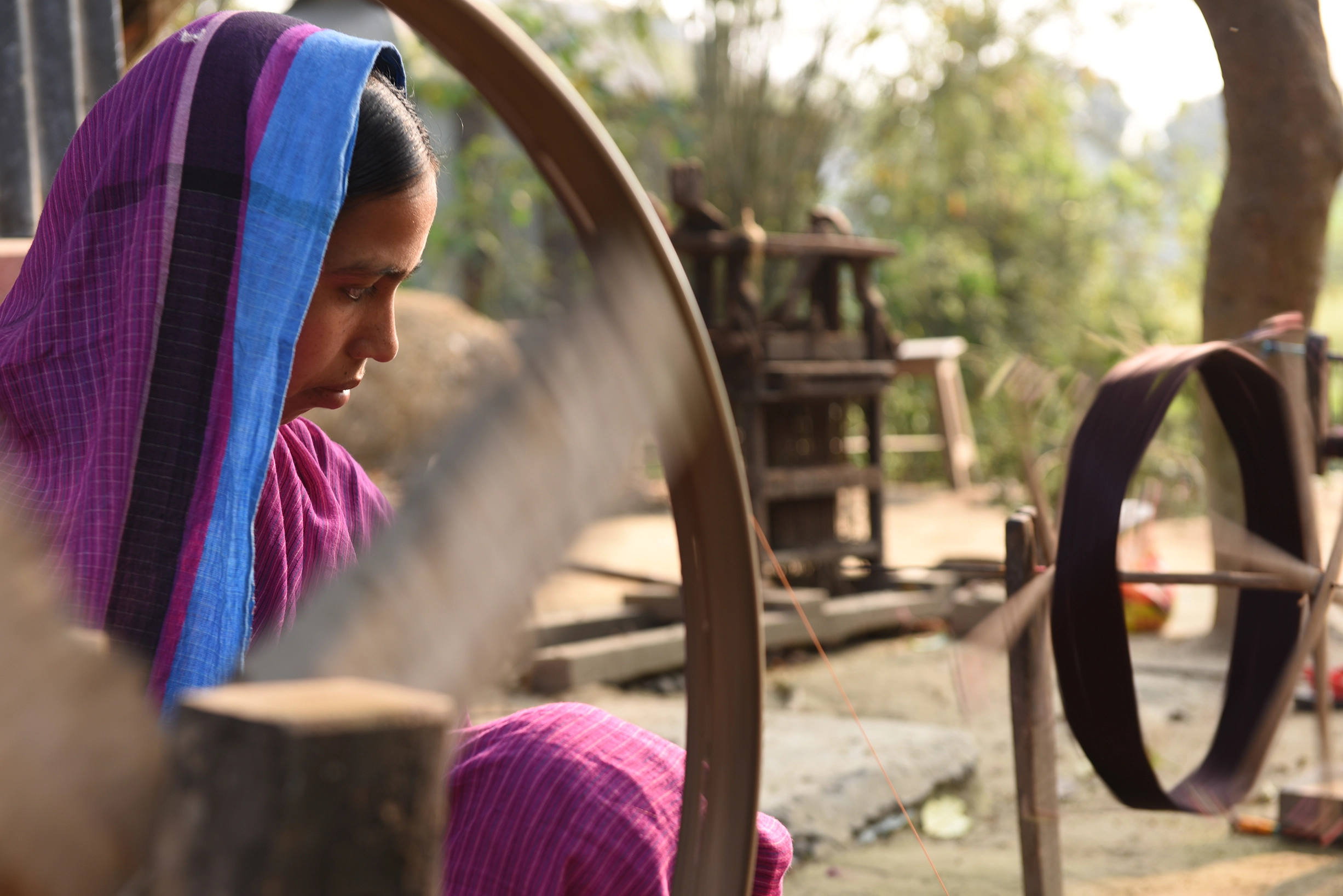
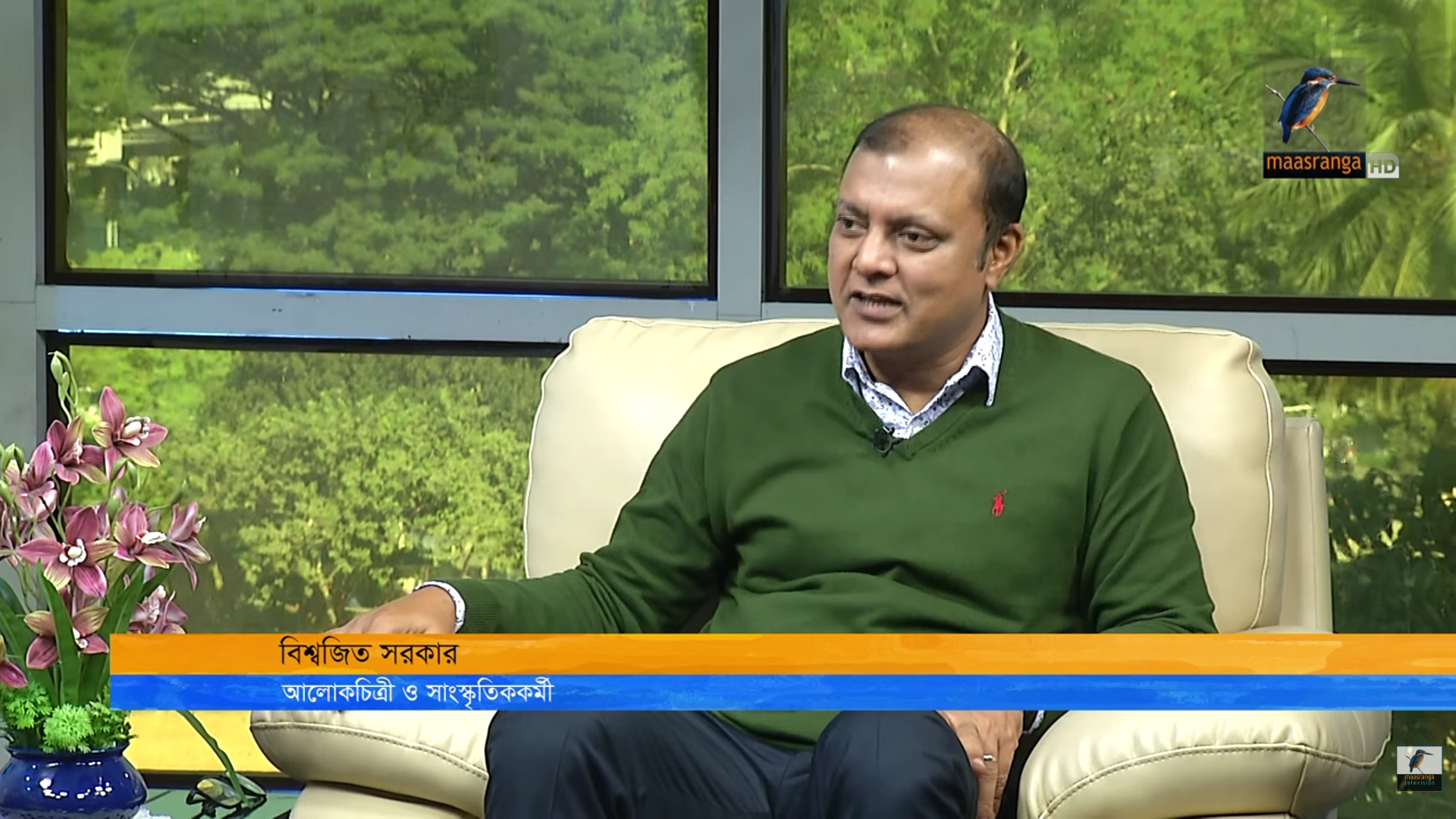
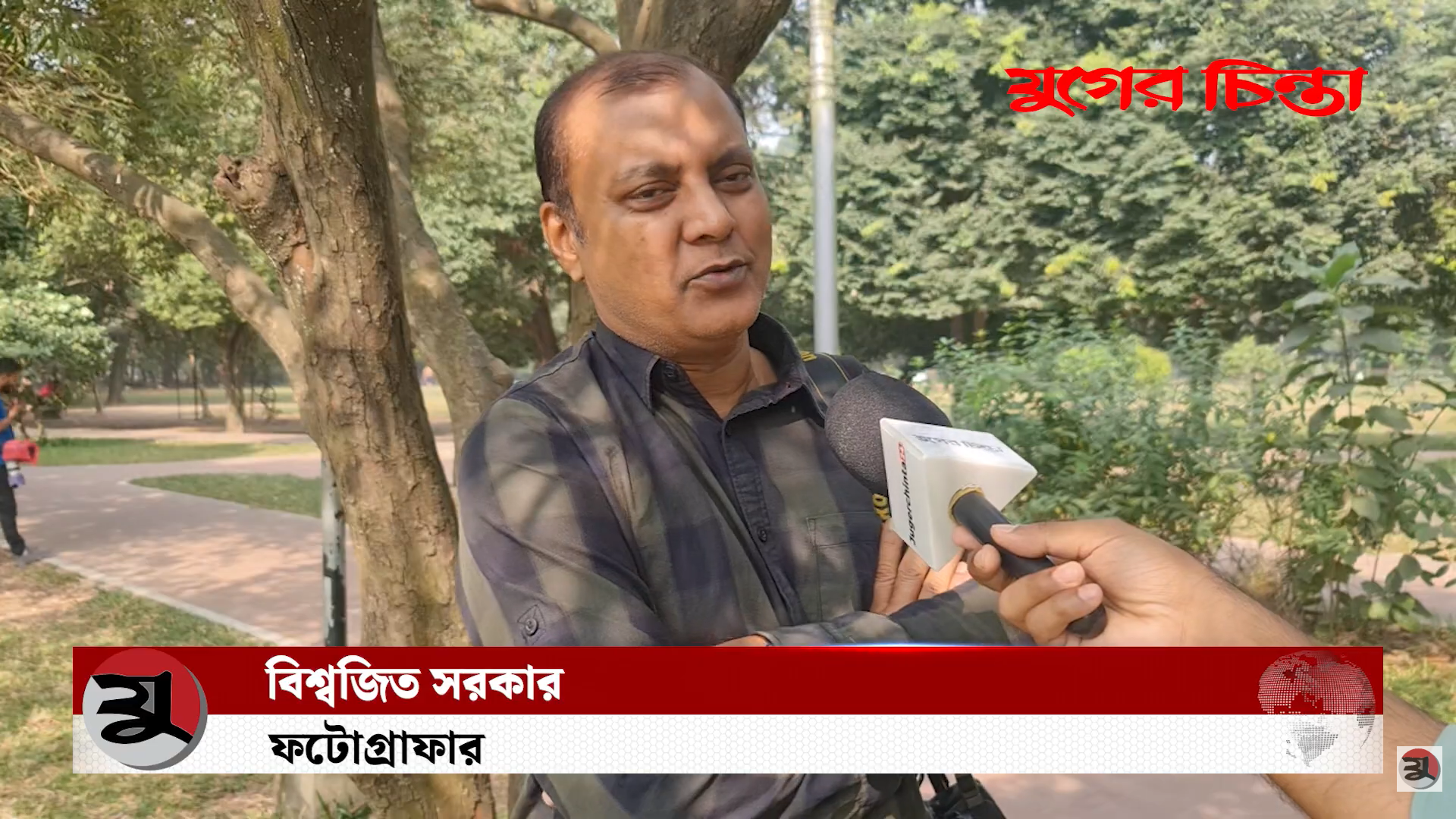
Myself Bishwajit Sarker, a Bangladeshi photographer, had travelled to Bijoypur to document this fading heritage. Through my lens, I captured the rhythm of rural life: artisans collecting clay near the Lalmai Hills, families shaping pots together and children playing amid stacks of drying earthenware. My images featured on Bishwajit Photography celebrate the artistry and resilience of Bijoypur’s potters.
For those interested in Bangladesh’s cultural heritage, Bijoypur pottery offers a vivid reminder that traditional crafts still matter. By supporting artisans and sharing their stories, we can help ensure that this unique tradition survives for future generations.