টাঙ্গাইলের হাতে বোনা শাড়ি: এক শতাব্দী পুরোনো শিল্প
বাংলাদেশের টাঙ্গাইল জেলার গ্রামগুলোতে হাঁটলে দেখা মিলবে শতাব্দী প্রাচীন এক শিল্পের: হাতের তাঁতের শাড়ি। মসলিনের খ্যাতি যখন ধীরে ধীরে হারিয়ে যাচ্ছিল, তখন ঢাকার ধামরাই ও চৌহাট্টা এলাকার মসলিন বুননশিল্পীরা টাঙ্গাইলে চলে আসেন এবং নতুন করে তাঁত বসান। তাঁদের মধ্যে ছিল বাসাক সম্প্রদায়ের হিন্দু তাঁতীরা, যারা ১৮৫০‑এর দশকে সূক্ষ্ম কটন এবং রেশমের সুতা দিয়ে শাড়ি তৈরি করা শুরু করেন। সেই বাসাক পরিবারগুলোই টাঙ্গাইল শাড়ির প্রকৃত প্রবক্তা।
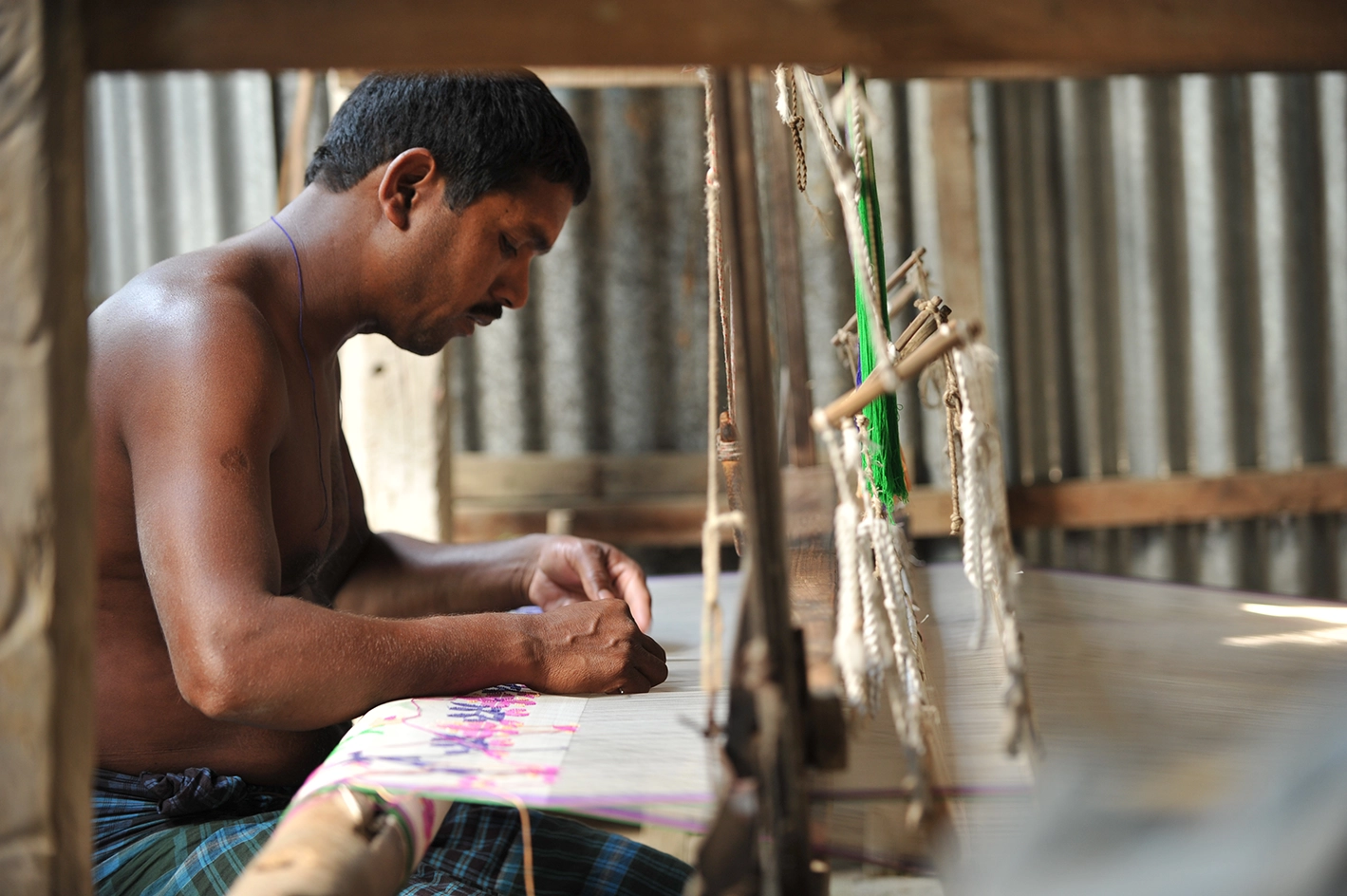
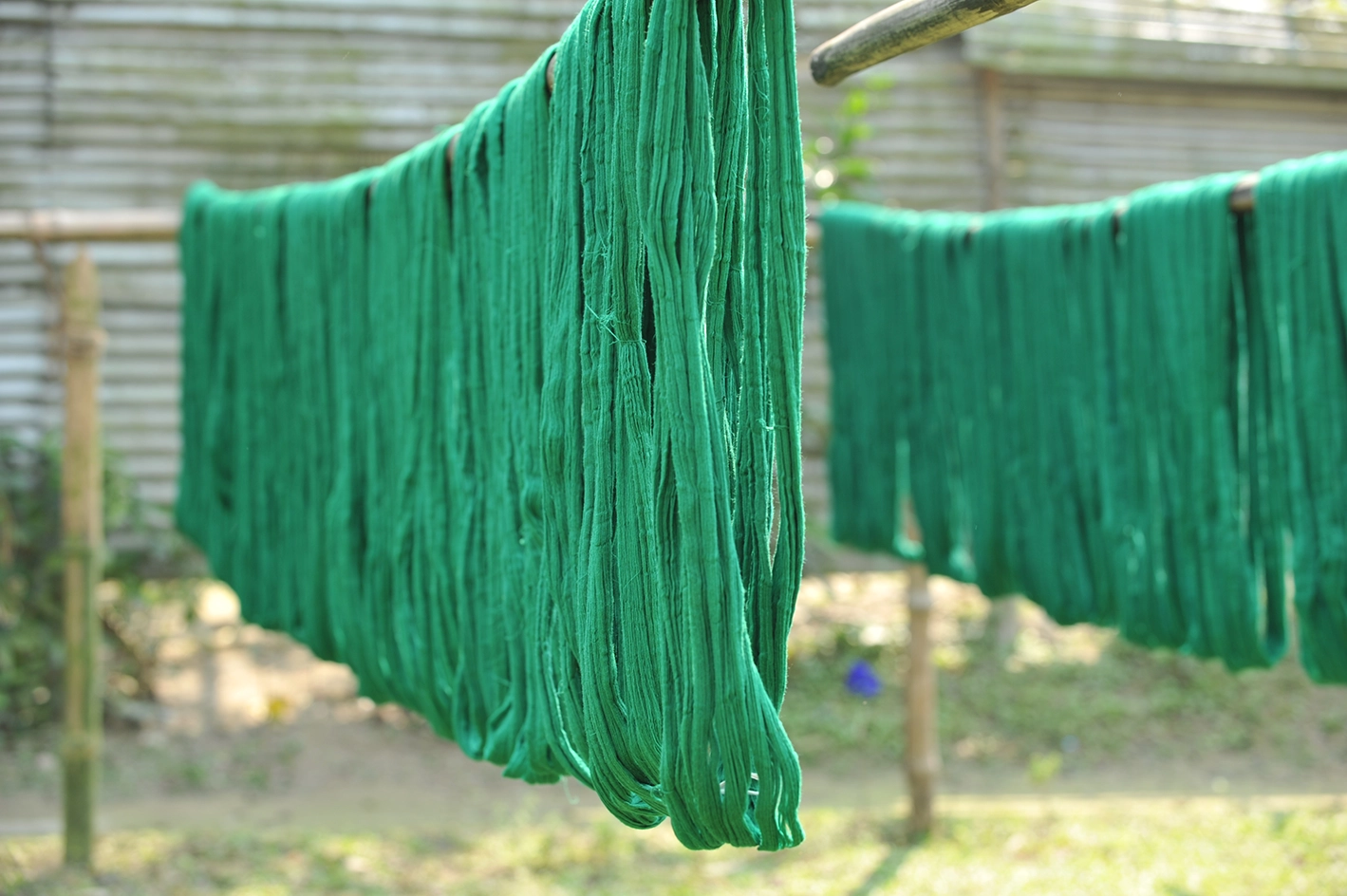
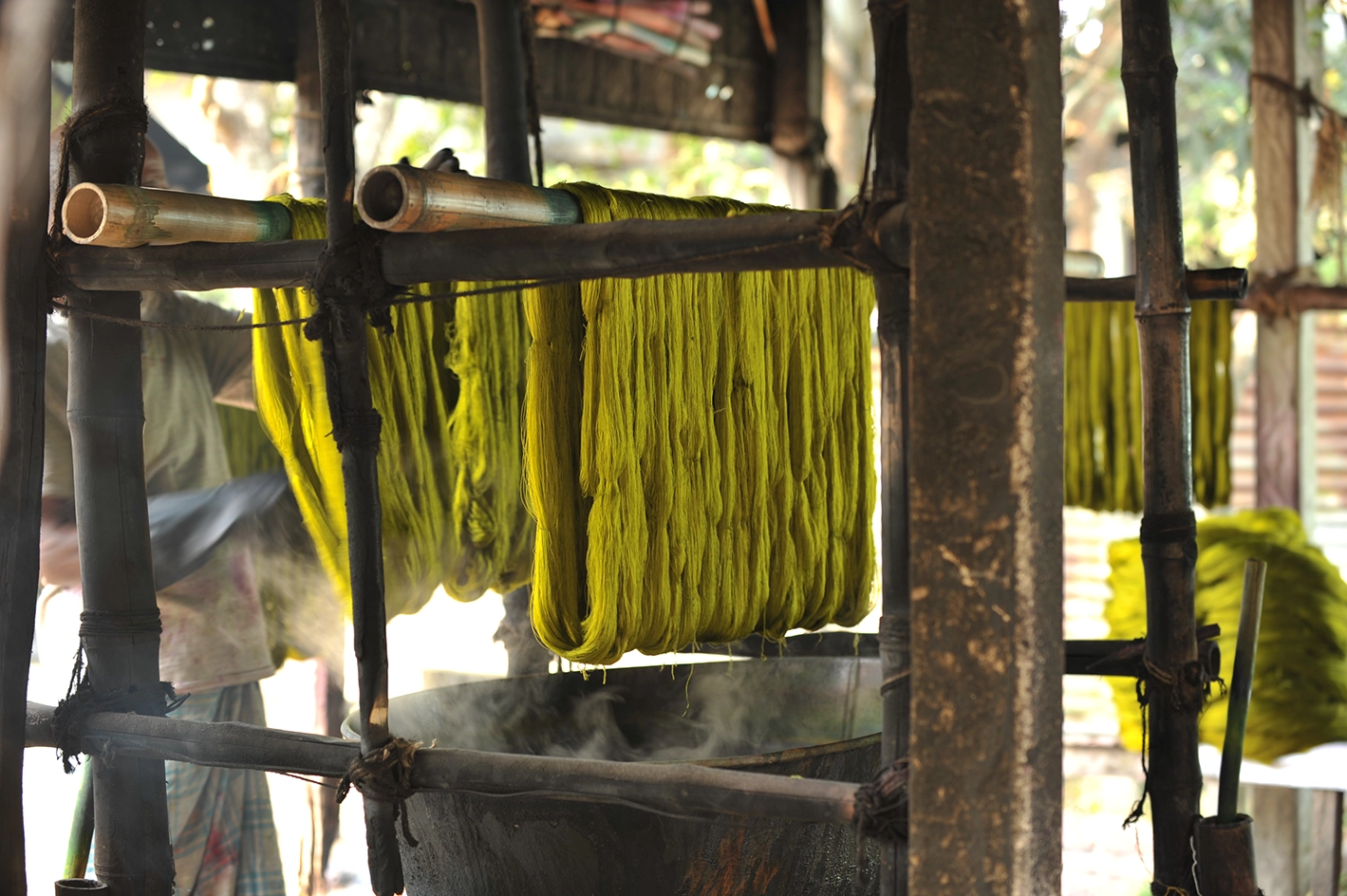
এই শাড়ির বৈশিষ্ট্য হল হালকা কাপড়, সূক্ষ্ম বুনন এবং সুন্দর পাড় ও আঁচল। তাঁতিরা আজও পিট লুম ও ফ্লাই শাটল ব্যবহার করে সূক্ষ্ম প্যাঁচে বুননের কাজ করেন; নানা রঙের সুতায় বুটি ও জাকার্ড ডিজাইন করা হয়। যদিও অনেক বাসাক পরিবার ১৯৪৭ ও ১৯৭১‑এর পর পশ্চিমবঙ্গে চলে গেছেন, তবুও মুসলিম তাঁতিরাও এখন এই কাজে যুক্ত হয়েছেন, ফলে শিল্পটি টিকে আছে।
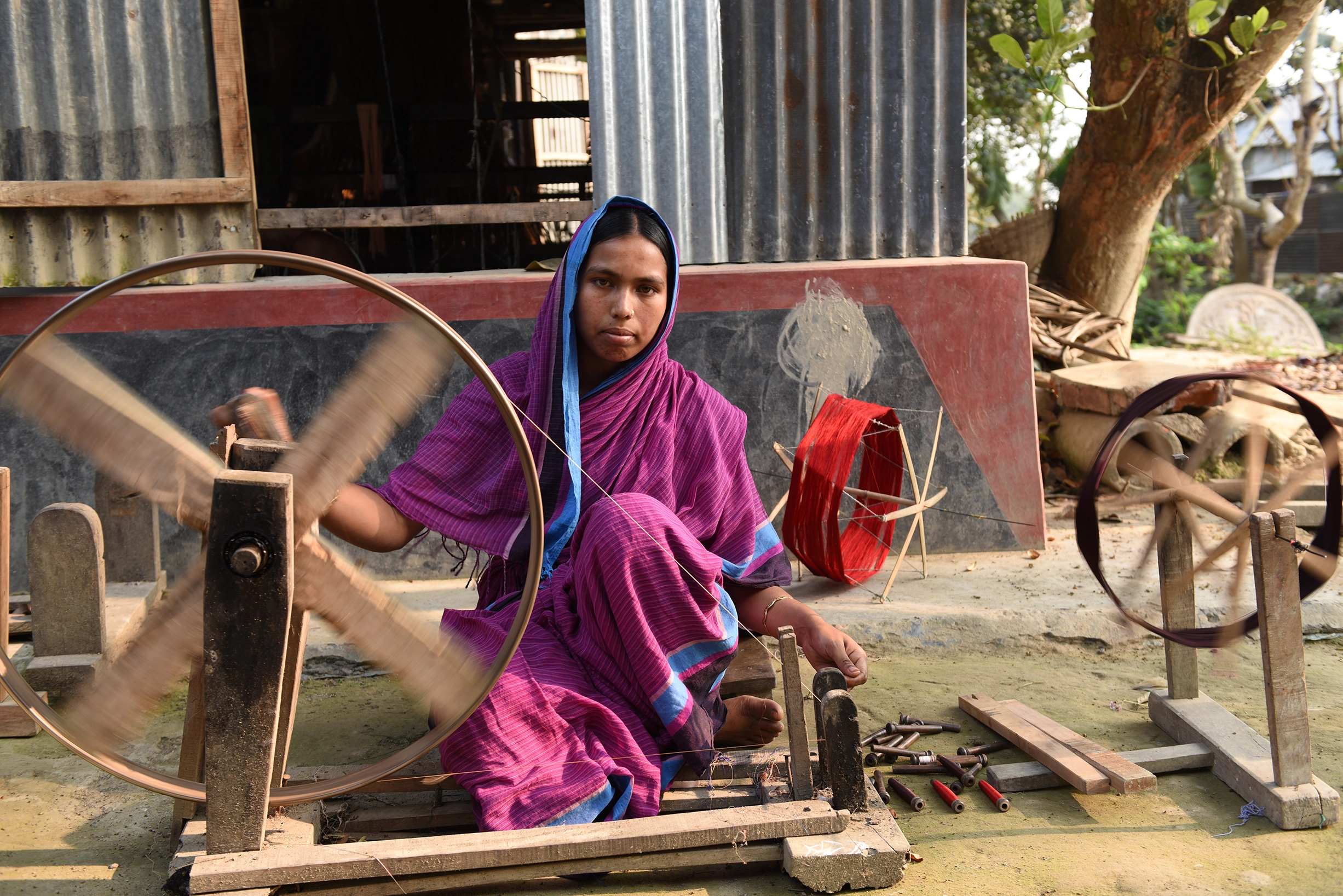
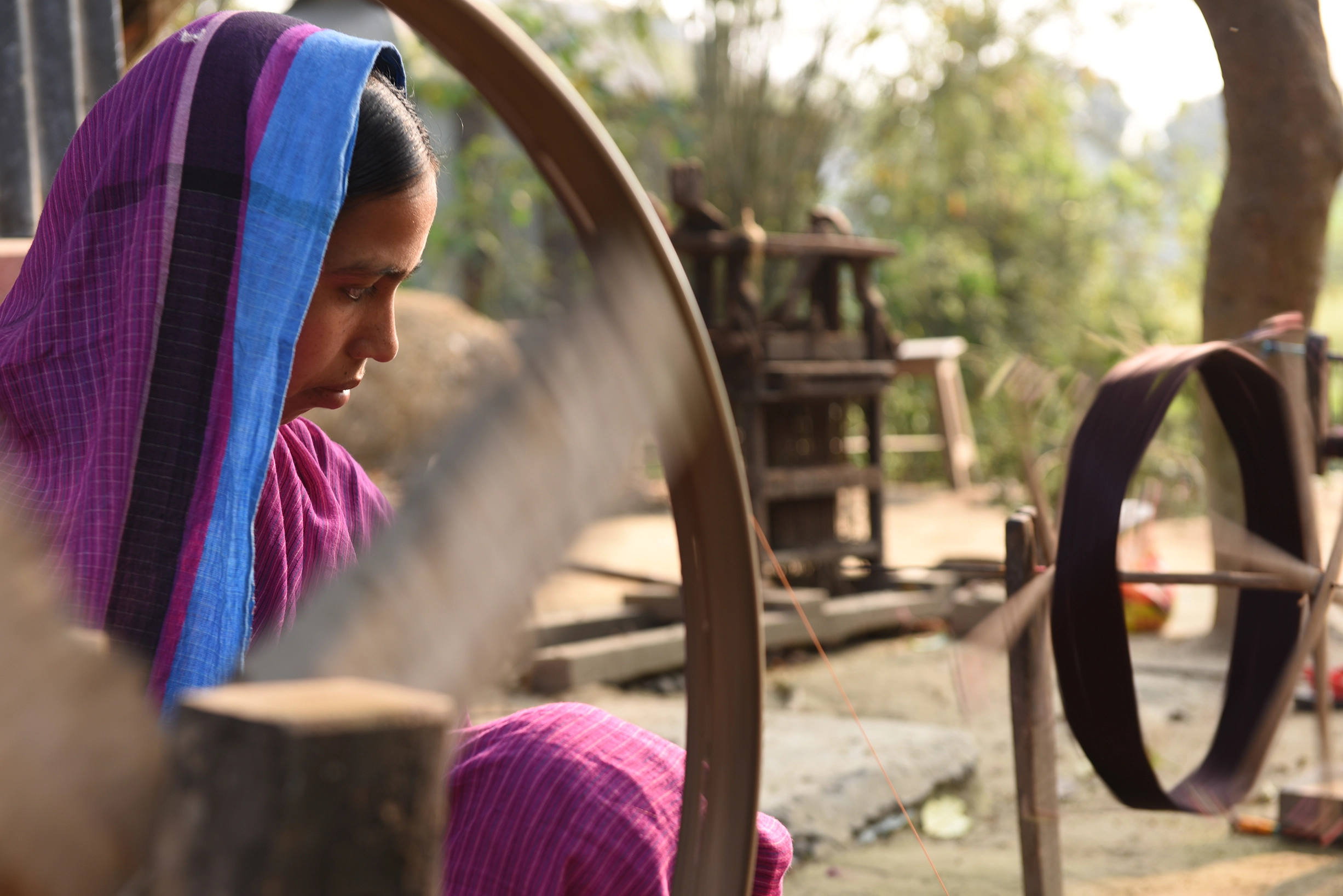
একজন আলোকচিত্রী হিসেবে আমি যখন টাঙ্গাইলের গ্রামে যাই, দেখি গ্রামের উঠোনে নারী‑পুরুষ মিলে শাড়ি বুনছেন, ছোট শিশুরা সুতা পাকাচ্ছে, সব মিলিয়ে এক অনন্য সাংস্কৃতিক দৃশ্য। এই গল্প ও ছবিগুলো দেখলে মনে হয়, মাটির ঘর থেকে বেরিয়ে এসেছে রং আর নিপুণ বুননের ইতিহাস। যারা বাংলাদেশের ঐতিহ্য খুঁজতে চান, তাঁদের কাছে টাঙ্গাইলের তাঁতশিল্প এক জীবন্ত জাদুঘর।
Tangail Handwoven Saree: A Hundred-Year-Old Craft
In the villages of Tangail in Bangladesh, people still make sarees by hand. This is a very old tradition. It has lived for more than one hundred years.
When muslin weaving started to disappear, skilled weavers from Dhamrai and Chauhatta in Dhaka moved to Tangail. They built new looms and began weaving again. Many of them were Hindu weavers from the Basak community. In the 1850s, they started making soft cotton and silk sarees. These families became the main creators of the Tangail saree.
Tangail sarees are light and comfortable. The weaving is very fine. The borders and anchal look beautiful. Weavers still use pit looms and fly shuttles to make designs. They use colorful threads and small patterns to decorate the cloth. After 1947 and 1971, many Basak families moved to West Bengal. Later, Muslim weavers joined this work and helped keep the craft alive.
When I visit Tangail as a photographer, I see men and women weaving together in village yards.
Children sit nearby and twist the threads. The whole place feels calm and full of culture. The colors, the patterns, and the hard work tell a long story from the past. For anyone who wants to see the real heritage of Bangladesh, the Tangail weaving tradition is like a living museum.